

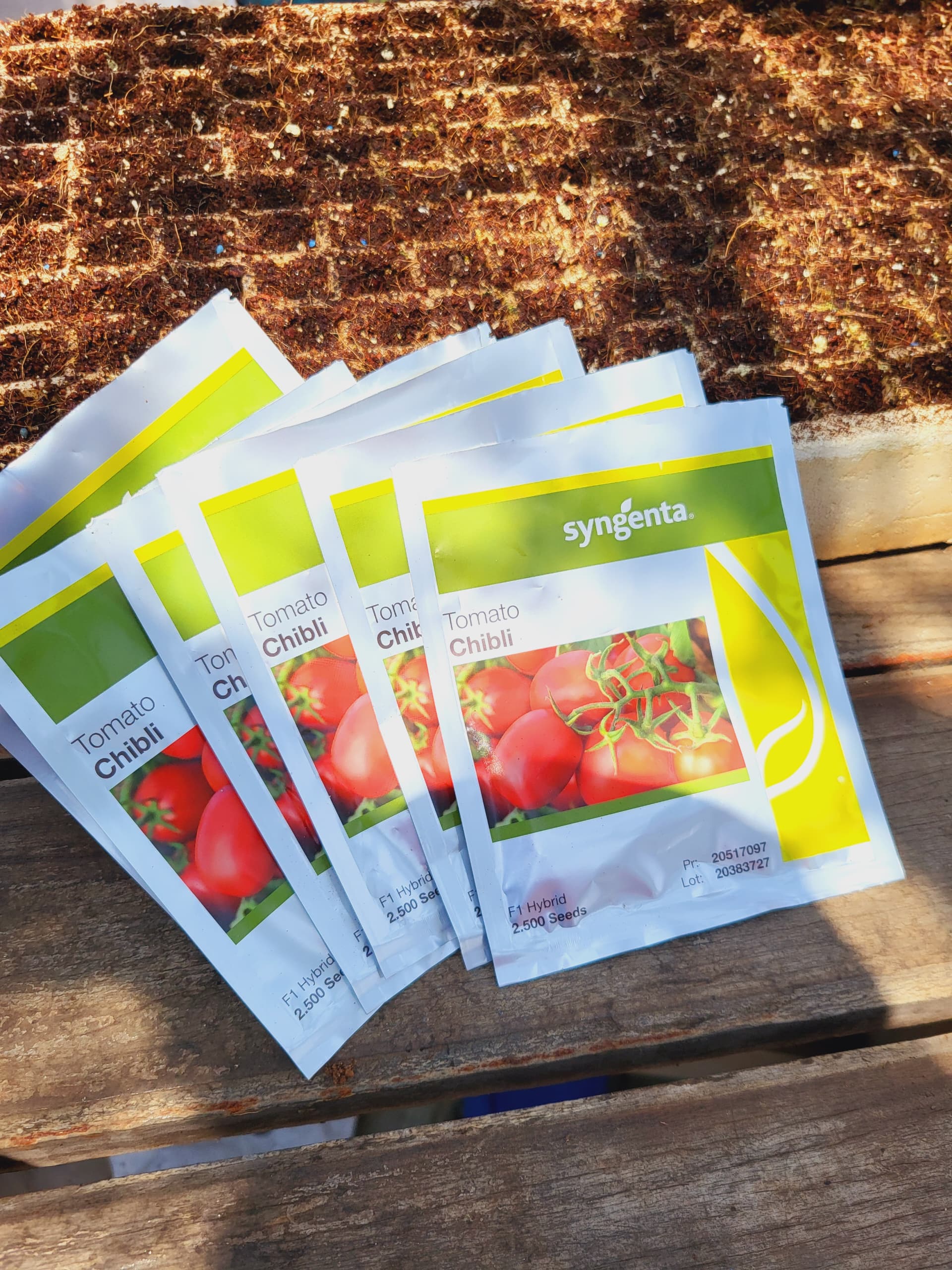
🍅Chibli Tomato Seedlings in Zimbabwe: The Complete Farming Guide for High Yield and Profitability
🌱 Introduction to Chibli Tomato
Chibli Tomato is a high-yielding, determinate hybrid tomato variety known for its firm fruits, uniform size, and outstanding shelf life. Developed by Syngenta, Chibli performs exceptionally well under Zimbabwean conditions — making it one of the most reliable tomato varieties for both fresh market sales and processing.
Farmers love Chibli because of its disease resistance, short maturity period, and consistent fruit set, even under challenging conditions such as high heat or mild drought.
🌍 Why Grow Chibli Tomato in Zimbabwe?
Zimbabwe’s warm climate and rich soils create excellent conditions for tomato production. The Chibli variety offers outstanding adaptability to different regions — from the cooler areas of Marondera and Nyanga to the warmer zones like Mutoko and Gokwe.
Benefits of Chibli Tomato Seedlings:
Short maturity (60–70 days after transplanting)
High fruit firmness for transport and storage
Resistant to Tomato Yellow Leaf Curl Virus (TYLCV)
High tolerance to Fusarium and Verticillium wilts
Ideal for processing and fresh markets
🌾 Ideal Growing Conditions
| Factor | Recommended Condition |
|---|---|
| Climate | Warm (18°C–30°C) |
| Soil Type | Fertile loamy or sandy loam, well-drained |
| pH Range | 5.8 – 7.0 |
| Irrigation | Regular, uniform watering (25–35 mm/week) |
💡 Tip: Tomatoes thrive in full sunlight, so avoid shaded areas. Ensure proper soil drainage to prevent root diseases.
🧑🌾 Land Preparation and Transplanting
Plough and harrow the soil until fine and well-aerated.
Incorporate well-decomposed manure (10–15 tons/ha) before planting.
Form raised beds (20 cm high) to improve drainage and reduce soilborne diseases.
🌱 Transplanting Chibli Tomato Seedlings
Seedling Age: 4–6 weeks old (15–20 cm tall)
Spacing: 40–50 cm between plants × 80–100 cm between rows
Planting Depth: Up to the first true leaves
Population Density: ~25,000–30,000 plants/ha
🚿 Water immediately after transplanting and maintain regular irrigation during establishment.
🌿 Fertilization Schedule
| Growth Stage | Fertilizer Type | Application Rate | Timing |
|---|---|---|---|
| Basal (Before Transplant) | Compound C (5:15:12) | 400–500 kg/ha | During bed preparation |
| 2–3 Weeks After Transplant | AN (34.5% N) | 200 kg/ha | Side dress |
| At Flowering | CAN or NPK (19:19:19) | 150 kg/ha | To support fruit setting |
| During Fruiting | Potassium nitrate | 100–150 kg/ha | Enhances fruit firmness and color |
💧 Consistent moisture is crucial during flowering and fruit development to prevent blossom-end rot and cracking.
🐛 Pest and Disease Management
Common Tomato Pests
Tomato fruit worm (Helicoverpa armigera)
Whiteflies
Aphids
Red spider mites
Control Measures
Apply biological controls such as Bacillus thuringiensis for caterpillars.
Use yellow sticky traps for monitoring whiteflies.
Introduce predatory mites to control spider mites.
Rotate crops with legumes or cereals to reduce pest buildup.
Common Diseases
Early and Late Blight
Bacterial wilt
Powdery mildew
Disease Management
Use certified Chibli Tomato seedlings from reliable nurseries like Carol’s Seedlings Zimbabwe.
Ensure adequate spacing for airflow.
Apply copper-based fungicides preventively during high humidity periods.
🍅 Flowering, Fruit Development, and Harvesting
Maturity Period: 60–70 days after transplanting
Fruit Size: Medium to large (100–130 g per fruit)
Color: Deep red when mature
Harvesting: Pick fruits when fully colored and firm
Yield: 50–70 tons/ha under good management
🧺 Post-Harvest Tip: Store harvested tomatoes at 12–15°C to extend shelf life and maintain firmness for transport to urban markets.
💰 Marketing Opportunities for Chibli Tomato in Zimbabwe
Chibli Tomatoes are widely accepted in both local and regional markets. Due to their firmness and long shelf life, they are ideal for:
Supermarkets (OK Zimbabwe, TM Pick n Pay, Food Lovers Market)
Tomato processing industries (sauces, purees, dried products)
Export markets (South Africa, Botswana, Mozambique)
Farmers can increase profits by forming cooperatives or partnering with distributors like Carol’s Seedlings Zimbabwe for reliable seedling supply and market linkages.
🔗 Recommended Reads
❓ Frequently Asked Questions (FAQ)
1. How long does Chibli Tomato take to mature in Zimbabwe?
Chibli Tomato takes 60–70 days after transplanting to reach harvest maturity under optimal conditions.
2. What type of soil is best for Chibli Tomato farming?
Tomatoes thrive in fertile, well-drained loamy soils with a pH of 5.8–7.0.
3. How often should I water Chibli Tomatoes?
Water 2–3 times per week, ensuring consistent moisture during flowering and fruit formation.
4. Is Chibli Tomato suitable for processing?
Yes, it’s excellent for both fresh market sales and processing (sauce, puree, ketchup, etc.) due to its thick, firm fruit.

