

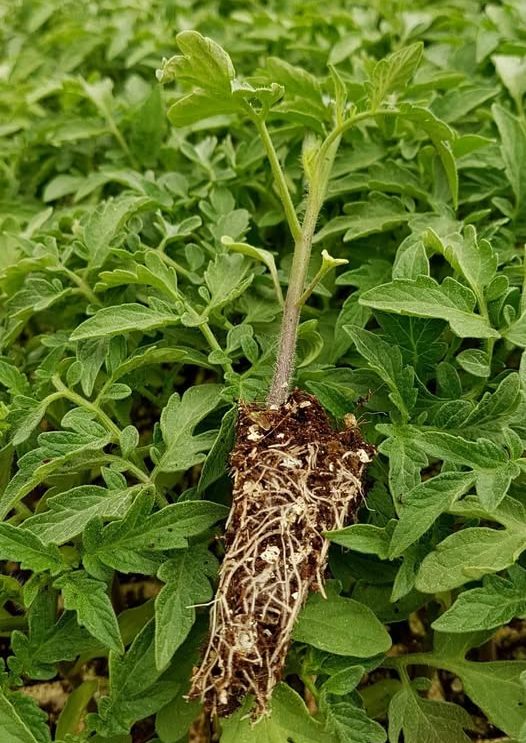
Trinity Tomato Seedlings in Zimbabwe: A Complete Growing Guide for Farmers (2025 Update)
Introduction
Tomato farming is one of Zimbabwe’s most profitable and consistent horticultural enterprises — and the Trinity Tomato variety has become a farmer favorite for its early maturity, high yields, and strong disease resistance.
Whether you’re a small-scale grower in Mashonaland or running a commercial irrigation project in Matabeleland, this detailed guide will help you cultivate Trinity Tomato Seedlings successfully, maximize yield, and achieve consistent market-quality fruit.
1. Overview of Trinity Tomato Variety
| Feature | Details |
|---|---|
| Type | Determinate hybrid (bush type) |
| Maturity Period | 75 – 80 days from transplanting |
| Fruit Size | 120 – 150 grams per fruit |
| Shape | Oval to round, uniform |
| Color | Bright red |
| Yield Potential | 60 – 80 tonnes/ha under good management |
| Resistance | Tolerant to Fusarium wilt, Verticillium wilt, and Nematodes |
| Use | Fresh market, processing, and export-ready |
The Trinity Tomato is ideal for both open-field and greenhouse farming, offering high fruit firmness, making it perfect for transport and longer shelf life — a key advantage in Zimbabwe’s fresh produce supply chain.
2. Ideal Growing Conditions in Zimbabwe
Tomatoes thrive in warm, frost-free environments with well-drained, fertile soils.
Optimum temperature: 20°C – 30°C
Best growing regions:
Mashonaland East (Marondera, Murehwa, Mutoko)
Manicaland (Rusape, Mutare Highlands)
Midlands (Gweru, Kwekwe, Shurugwi)
Matabeleland (Bulawayo peri-urban zones with irrigation)
💡 Tip: Avoid growing tomatoes in areas with heavy rains during flowering — excessive moisture causes fruit cracking and disease pressure.
3. Soil Preparation and Fertilization
Soil pH: Maintain between 5.5 and 7.0.
Land Preparation: Deep plough to 30 cm to loosen soil and enhance aeration.
Organic Matter: Apply 20–25 tonnes/ha of compost or manure 2–3 weeks before transplanting.
Basal Fertilizer: Use Compound C or D (250–300 kg/ha) incorporated during planting.
Top Dressing:
Apply Ammonium Nitrate (150–200 kg/ha) in 3 splits:
3 weeks after transplanting
At flowering stage
At fruiting stage
✅ Pro Tip: Conduct a soil test before applying fertilizers for accurate nutrient balance.
4. Nursery Management for Trinity Tomato Seedlings
If raising from seed, proper nursery care ensures healthy transplants.
Seed Rate: 150–200 grams per hectare.
Seedling Medium: 3 parts loam, 1 part compost, 1 part river sand.
Watering: Keep soil moist but not waterlogged.
Transplanting Time: 4–5 weeks after sowing (15–20 cm tall).
🌱 Alternatively, purchase ready-to-transplant Trinity Tomato Seedlings from Carol’s Seedlings Zimbabwe — ensuring uniformity, vigor, and disease-free plants.
5. Transplanting and Spacing
| Spacing Type | Measurement |
|---|---|
| Between rows | 90 cm |
| Between plants | 40–50 cm |
Transplant during cooler hours (morning or evening).
Water thoroughly after planting.
Mulch around plants to retain soil moisture and suppress weeds.
💧 Tip: Drip irrigation ensures consistent watering and minimizes disease spread.
6. Irrigation and Water Management
Tomatoes require steady moisture for optimum fruiting.
Irrigation frequency: 2–3 times per week (depending on soil type).
Critical stages: Flowering and fruit set — water stress at these points reduces yield and causes blossom end rot.
🚿 Use drip irrigation where possible to save water and reduce leaf wetness (which encourages fungal infections).
7. Pest and Disease Management
| Pest/Disease | Control Method |
|---|---|
| Tomato Leaf Miner (Tuta absoluta) | Use pheromone traps and spray with Coragen or Belt |
| Aphids & Whiteflies | Spray with Actara or Imidacloprid |
| Cutworms | Apply Carbaryl before transplanting |
| Early/Late Blight | Spray with Mancozeb, Ridomil, or Copper fungicides |
| Root Knot Nematodes | Practice crop rotation with cereals |
| Fusarium Wilt | Use resistant varieties and well-drained soils |
🛡️ Combine chemical and organic methods for a sustainable pest control program.
8. Staking and Pruning
Stake plants 2–3 weeks after transplanting using bamboo or wire trellises.
Prune side shoots below the first flower cluster to improve airflow and yield.
Remove diseased leaves immediately to prevent spread.
9. Harvesting and Post-Harvest Handling
Begin harvesting 75–80 days after transplanting.
Pick fruits when they start turning red (“breaker stage”) for longer shelf life.
Handle gently to avoid bruising.
Grade tomatoes by size and color before marketing.
Under good management, Trinity Tomato yields 60–80 tonnes per hectare.
10. Marketing Opportunities in Zimbabwe
Trinity Tomato’s bright red color, firmness, and high yield make it a premium choice for:
Supermarkets (TM Pick n Pay, OK, Bon Marche)
Farmers’ Markets (Mbare Musika, Sakubva, Gweru)
Agro-processors (tomato paste, sauces)
Export buyers (especially to neighboring countries like Botswana and Mozambique)
💼 Partner with wholesale buyers via AgriUniverse Zimbabwe or farm-gate contracts for guaranteed market access.
11. Key Advantages of Trinity Tomato for Farmers
✅ Early maturing hybrid with high yields
✅ Firm, uniform fruits ideal for transport
✅ Strong disease resistance
✅ Suitable for open field and greenhouse farming
✅ Long shelf life and good market demand
Our Other Guides
Frequently Asked Questions (FAQ)
Q1: How long does Trinity Tomato take to mature?
A: About 75–80 days from transplanting.
Q2: What’s the best fertilizer program for Trinity Tomatoes?
A: Apply Compound D at planting, then Ammonium Nitrate at flowering and fruiting.
Q3: Can Trinity Tomatoes be grown in winter?
A: Yes, in frost-free areas with irrigation. Optimal in regions like Mashonaland East and Manicaland.
Q4: Where can I buy Trinity Tomato Seedlings in Zimbabwe?
A: From Carol’s Seedlings — supplying hybrid, disease-free seedlings nationwide.

