

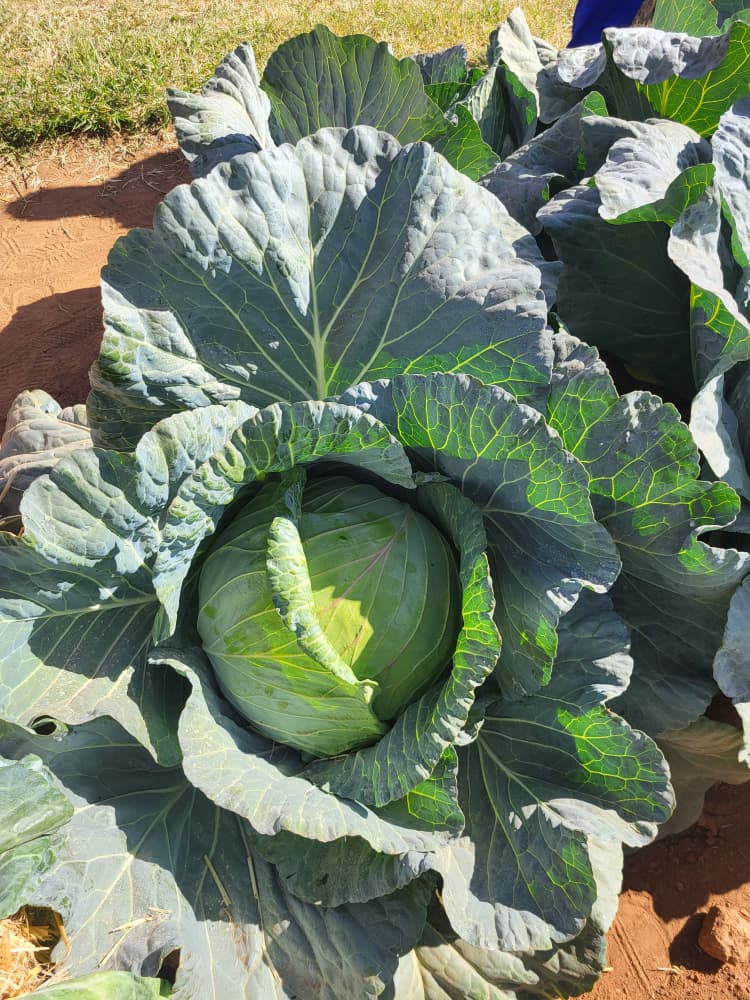
🥬Optima Cabbage Seedlings Farming Guide in Zimbabwe — High-Yield, Uniform, and Reliable Hybrid
🌿 Introduction to Optima Cabbage Seedlings
Optima Cabbage is a high-performing hybrid variety well-known for its uniform, compact heads, remarkable field-holding capacity, and resistance to major cabbage diseases. It is one of the most consistent performers under Zimbabwe’s diverse farming conditions — from cool highveld zones like Marondera and Nyanga to warmer regions like Chegutu and Gweru.
This variety produces medium to large, firm heads with a bright green color and dense interior, making it ideal for fresh market sales, supermarkets, and bulk supply chains.
For comparison, explore similar hybrid cabbage varieties:
🌦️ Ideal Climate and Soil Requirements
Optima Cabbage thrives in cool to moderately warm conditions, performing best where daytime temperatures range between 15°C and 26°C.
Key Growing Conditions:
Rainfall: 450–850 mm annually
Soil: Fertile, well-drained loam or sandy loam
Optimal pH: 6.0–6.8
Cabbage roots are shallow, so avoid waterlogging. Apply agricultural lime if soil tests show acidity below pH 6.0, which also helps reduce clubroot incidence.
🌱 Seedling Stage and Land Preparation
Start seedlings in a sterile nursery mix or seedling trays to ensure uniform germination.
Transplanting Age: 4–6 weeks after sowing (seedlings with 4–6 true leaves).
Hardening: Reduce watering 5–7 days before transplanting to strengthen seedlings.
Land Preparation Steps:
Deep plough (25–30 cm) to loosen soil.
Incorporate 10–15 tons/ha of well-decomposed manure.
Apply Compound C fertilizer (6:15:12) at 300–400 kg/ha before transplanting.
Form ridges or raised beds to improve drainage and root aeration.
📅 Planting and Spacing
Spacing: 45 cm between plants × 60 cm between rows
Planting Depth: Same as nursery level
Planting Seasons:
Cool Season: March–August (rainfed or irrigated)
Warm Season: September–February (irrigated)
Transplant during early morning or late afternoon to minimize transplant shock.
💧 Irrigation and Water Management
Optima requires consistent moisture throughout its growing period, especially during head formation.
Irrigation Frequency: 3–4 times per week during dry spells.
Preferred System: Drip irrigation — ensures even moisture and reduces leaf diseases.
Mulching: Apply dry grass or maize stover to conserve soil moisture and suppress weeds.
Avoid alternating drought and overwatering cycles, as these cause head cracking and reduced yields.
🌿 Fertilization Program
| Growth Stage | Fertilizer | Rate (kg/ha) | Timing |
|---|---|---|---|
| Pre-planting | Compound C (6:15:12) | 300–400 | Before transplanting |
| Early growth (3 weeks) | Ammonium Nitrate (34.5% N) | 150 | Top dressing |
| Head formation (6 weeks) | Ammonium Nitrate | 150 | Top dressing |
Tip: Complement with organic fertilizers or compost tea to improve soil structure and microbial health.
🪱 Pest and Disease Control
🐛 Common Pests
Diamondback moth (Plutella xylostella): Control with Coragen or Bacillus thuringiensis (BT).
Aphids: Spray with neem oil or systemic insecticides like Imidacloprid.
Cutworms: Apply Carbaryl dust or Deltamethrin during transplanting.
🦠 Common Diseases
Black rot: Use certified seedlings and rotate with non-cruciferous crops.
Downy mildew: Use fungicides like Ridomil Gold or Acrobat.
Clubroot: Maintain pH > 6.5 and avoid planting in poorly drained soils.
Always follow Integrated Pest Management (IPM) principles — combine cultural, biological, and chemical controls responsibly.
🌸 Crop Management Practices
Weed regularly to reduce competition and improve nutrient uptake.
Hill up plants 4–5 weeks after transplanting for stability.
Monitor weekly for pest infestations and nutrient deficiencies.
Rotate cabbage with legumes or cereals every 2–3 years to prevent soil diseases.
🧑🌾 Harvesting and Yield
Maturity: 80–90 days after transplanting.
Harvest Signs: Compact, heavy heads (3–5 kg) with a firm feel and uniform size.
Harvesting Tip: Cut with a sharp knife, leaving 2–3 wrapper leaves for protection during handling.
Expected Yield:
55–75 tons per hectare under good management.
💰 Market and Profitability
Optima Cabbage is a market favorite in Zimbabwe due to its excellent head uniformity, transport resilience, and attractive color.
Target Markets:
Mbare Musika (Harare)
Sakubva (Mutare)
Bulawayo Vegetable Market
Local supermarkets, restaurants, and traders
Profit Estimate:
Gross margins of US$2,800–4,500 per hectare, depending on season, input cost, and market prices.
🌍 Sustainable and Climate-Smart Practices
Use mulching and organic manure to conserve moisture and enrich soil.
Implement crop rotation to maintain soil health.
Adopt drip irrigation to save water and increase efficiency.
Use bio-pesticides like neem extract to minimize chemical residues.
🧾 Record Keeping
Maintain accurate records of:
Transplanting and harvesting dates
Fertilizer and pesticide usage
Yields and market prices
Labor and input costs
Proper records help evaluate performance and guide future planting decisions.
📞 Where to Buy Optima Cabbage Seedlings in Zimbabwe
You can purchase Optima Cabbage Seedlings from trusted nurseries and agricultural suppliers:
Always ensure seedlings are disease-free and certified for the best field performance.
❓ Frequently Asked Questions (FAQ)
Q1: How long does Optima Cabbage take to mature?
Optima matures within 80–90 days after transplanting, depending on climate and crop management.
Q2: What is the recommended spacing for Optima Cabbage?
Plant at 45 cm × 60 cm spacing for uniform head development.
Q3: What yield can I expect per hectare?
Expect between 55 and 75 tons per hectare under good agronomic practices.
Q4: How do I avoid cabbage head cracking?
Maintain consistent irrigation during the heading phase and avoid sudden water fluctuations.

