

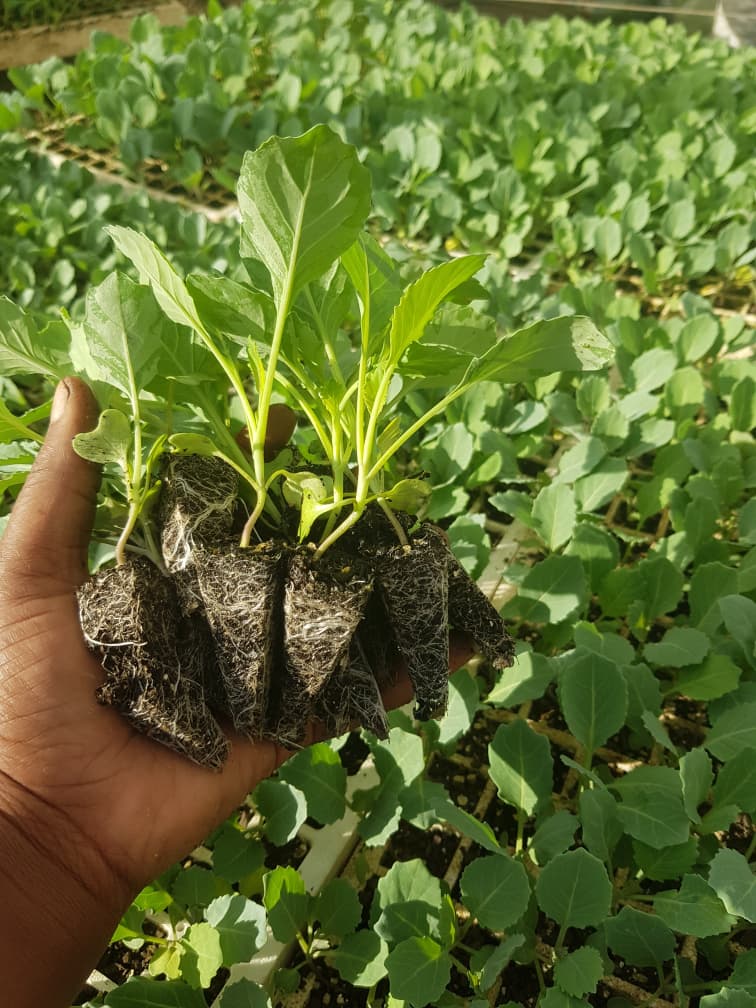
Athena Plus Cabbage Seedlings Farming Guide in Zimbabwe — High-Yield Hybrid for All Seasons
🥬 Introduction to Athena Plus Cabbage Seedlings
Athena Plus Cabbage is a premium hybrid variety bred for high performance, uniform heads, and strong disease resistance. It thrives under Zimbabwean climatic conditions, offering reliable yields for both small-scale and commercial farmers.
Whether you’re farming in Mashonaland, Midlands, or Manicaland, Athena Plus delivers excellent head formation, compact maturity, and market appeal that attracts consistent buyers.
For other cabbage types, check out our related guides:
🌦️ Ideal Climate and Soil Requirements
Athena Plus grows best in cool to moderately warm conditions, performing exceptionally between 15°C–28°C.
Soil Type: Deep, well-drained loamy soils rich in organic matter.
Soil pH: 6.0 – 6.8 is ideal.
Drainage: Avoid waterlogged fields to prevent root rot and head splitting.
Before planting, test your soil through the local AGRITEX offices or private labs such as Seed Co Zimbabwe for accurate pH and nutrient balance.
🌱 Seedling Stage and Land Preparation
Transplant Age: 4–6 weeks after sowing when seedlings have 4–6 true leaves.
Seedbed Management: Maintain uniform moisture and provide shade to prevent heat stress.
Land Preparation Steps:
Plough and harrow the field thoroughly.
Apply well-decomposed manure (10–15 tons/ha) two weeks before transplanting.
Form ridges or raised beds to improve drainage and root development.
📅 Planting and Spacing
Spacing: 45 cm between plants × 60 cm between rows.
Planting Depth: Transplant at the same depth as in the nursery tray.
Planting Time: Best during early morning or late afternoon to minimize transplant shock.
Seasonality:
Athena Plus is suitable for year-round production, particularly thriving in cooler months (March–August) but also tolerates warmer seasons with proper irrigation.
💧 Irrigation and Water Management
Cabbage needs consistent moisture throughout its growth.
Watering Frequency: 3–4 times per week in dry conditions.
Preferred System: Drip irrigation for efficient water use and disease prevention.
Mulching: Helps conserve moisture and suppress weeds.
Avoid overhead irrigation during head formation to reduce disease spread.
🌿 Fertilization Schedule
| Growth Stage | Fertilizer Type | Application Rate | Timing |
|---|---|---|---|
| Pre-planting | Compound C (6:15:12) | 300–400 kg/ha | Before transplanting |
| Early growth | Ammonium Nitrate (34.5% N) | 150 kg/ha | 3 weeks after transplanting |
| Head formation | Ammonium Nitrate | 150 kg/ha | 6 weeks after transplanting |
Tip: Combine with compost and organic fertilizers for balanced soil health.
🪱 Pest and Disease Management
Common Pests:
Diamondback moth — Use biological control or apply Cypermethrin or Coragen.
Aphids — Use Imidacloprid or neem-based solutions.
Cabbage worms — Apply Bacillus thuringiensis (BT) for eco-friendly control.
Common Diseases:
Black rot: Prevent with crop rotation and certified seedlings.
Downy mildew: Avoid overhead irrigation and use fungicides like Ridomil Gold.
Clubroot: Maintain soil pH above 6.5 using lime.
🌸 Growth and Management Practices
Keep fields weed-free especially during the first 4 weeks.
Hill up soil slightly around the base to support plant structure.
Monitor for early pest infestation to avoid late-stage damage.
🧑🌾 Harvesting and Yield
Maturity: 75–85 days after transplanting.
Harvest Indicators: Compact, firm heads weighing 2.5–4 kg.
Yield Potential: 50–70 tons per hectare under good management.
Harvest early morning, handle heads gently, and store in cool, ventilated spaces.
💰 Market and Profitability
Athena Plus cabbages are in high demand at:
Local supermarkets (OK, TM Pick n Pay, Choppies)
Fresh produce markets (Mbare, Sakubva, Gweru)
Export channels (Mozambique, Botswana, South Africa)
With proper management, gross margins range from USD 2,500–4,000 per hectare depending on scale and input costs.
🌍 Sustainable and Climate-Smart Practices
Rotate cabbage with legumes (beans, groundnuts) to replenish nitrogen.
Use mulching and organic composts to conserve soil health.
Avoid chemical overuse — integrate biological pest control.
Harvest rainwater for irrigation in drier regions.
🧾 Record Keeping
Maintain detailed records of:
Seedling batches and planting dates
Fertilizer and pesticide applications
Harvest weights and market prices
Digital tools like FarmRite, AgriBuddy, or Excel templates can make this process easier.
📞 Where to Buy Athena Plus Cabbage Seedlings in Zimbabwe
Purchase high-quality Athena Plus Cabbage Seedlings from trusted nurseries such as:
Always request certified seedlings to ensure quality and disease-free planting material.
❓ Frequently Asked Questions (FAQ)
Q1: How long does Athena Plus Cabbage take to mature?
Approximately 75–85 days from transplanting, depending on climate and care.
Q2: What is the ideal planting spacing?
Plant 45 cm between plants and 60 cm between rows for optimal head development.
Q3: Can Athena Plus grow during hot months?
Yes, but irrigation and mulching are essential to prevent stress.
Q4: What is the average yield per hectare?
Expect 50–70 tons/ha under proper management.

