

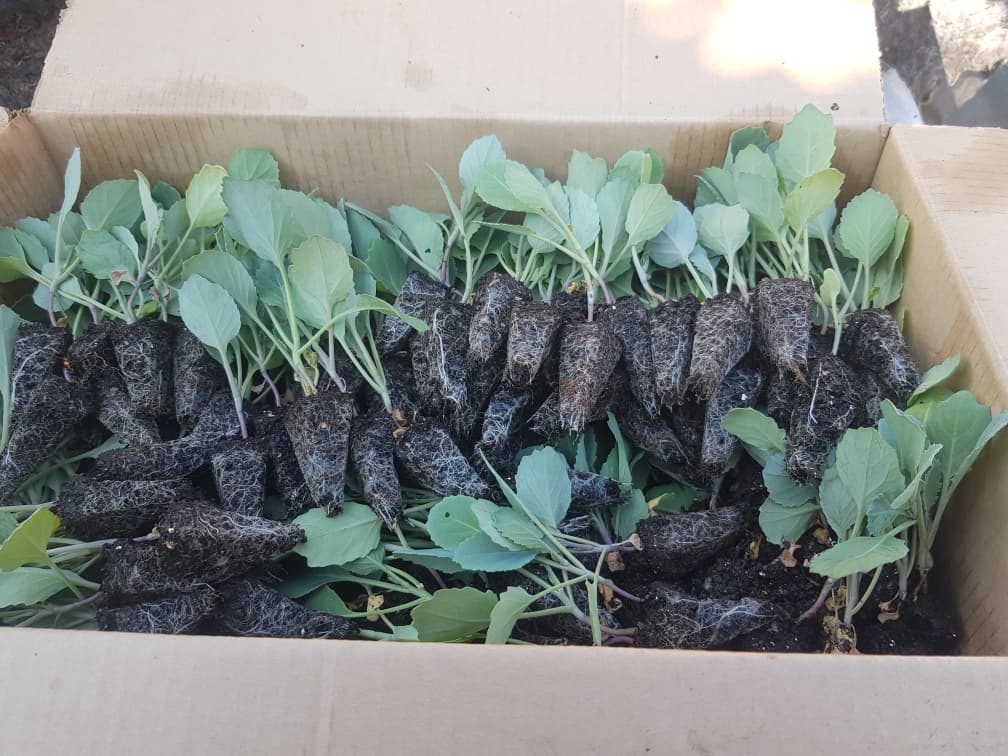
🥬Magesty Cabbage Seedlings Farming Guide in Zimbabwe — Premium Hybrid for Heavy, Uniform Heads
🌿 Introduction to Magesty Cabbage Seedlings
Magesty Cabbage is a top-performing hybrid variety known for its uniform, heavy heads, strong disease resistance, and excellent field-holding capacity. It’s a favorite among commercial and small-scale farmers in Zimbabwe who aim for both high yields and premium market prices.
Its adaptability to cool and warm regions makes it suitable for year-round cultivation — ideal for provinces like Mashonaland East, Midlands, Matabeleland, and Manicaland.
For more hybrid cabbage options, explore:
🌦️ Ideal Climate and Soil Requirements
Magesty Cabbage thrives best under cool to moderate temperatures of 15°C–28°C.
Rainfall: 400–800 mm per season.
Soil Type: Well-drained loam or sandy loam rich in organic matter.
Soil pH: 6.0–6.8 is ideal.
Avoid clay-heavy or compacted soils that retain too much water. If soil is acidic, apply agricultural lime two weeks before transplanting.
🌱 Seedling Stage and Land Preparation
Transplanting Age: 4–6 weeks old seedlings, healthy and well-hardened.
Seedbed Care: Water regularly and apply light shade to protect young seedlings.
Land Preparation Steps:
Deep ploughing (20–30 cm) to aerate soil.
Harrow twice for fine tilth.
Incorporate 10–15 tons/ha of composted manure before transplanting.
Form raised beds or ridges to improve drainage and prevent root rot.
📅 Planting and Spacing
Spacing: 45 cm between plants × 60 cm between rows.
Planting Depth: Keep seedlings at nursery soil level to prevent stem rot.
Best Planting Period:
Cool season: March–August
Warm season: September–February (with irrigation)
Tip: Transplant during cool hours (morning or evening) and water immediately after.
💧 Irrigation and Water Management
Cabbage requires consistent moisture for proper head development.
Irrigation Frequency: Every 3 days in dry weather; reduce during rainy seasons.
System Recommendation: Drip irrigation ensures water efficiency and disease prevention.
Mulching: Use grass or maize stover to retain moisture and suppress weeds.
Avoid water stress during head formation — it may cause cracking or stunted heads.
🌿 Fertilization Schedule
| Growth Stage | Fertilizer | Rate | Timing |
|---|---|---|---|
| Pre-planting | Compound C (6:15:12) | 300–400 kg/ha | Before transplanting |
| Vegetative | Ammonium Nitrate (34.5% N) | 150 kg/ha | 3 weeks after transplanting |
| Head formation | Ammonium Nitrate | 150 kg/ha | 6 weeks after transplanting |
Complement chemical fertilizers with organic compost or chicken manure to enhance soil health and long-term fertility.
🪱 Pest and Disease Management
🐛 Common Pests
Diamondback moth: Control with Coragen or biological insecticides (BT).
Aphids: Manage with Imidacloprid or neem extract sprays.
Cabbage worms: Use Decis or organic alternatives like garlic and chili sprays.
🦠 Common Diseases
Black rot: Use certified seedlings and avoid overhead watering.
Downy mildew: Apply preventive fungicides (Ridomil Gold, Mancozeb).
Clubroot: Practice 3-year crop rotation and maintain soil pH above 6.5.
🌸 Crop Management Practices
Weed regularly during early stages (first 4–6 weeks).
Hill up soil around the base for better plant support.
Scout fields twice weekly for pest or disease symptoms.
Avoid planting cabbage after other brassicas to prevent pest carryover.
🧑🌾 Harvesting and Yield
Maturity: 80–90 days after transplanting.
Harvest Signs: Compact, firm heads weighing 3–4 kg each.
Harvesting Tips:
Cut heads with a sharp knife, leaving outer leaves for protection.
Handle gently to avoid bruising.
Expected Yield:
60–75 tons per hectare under ideal management.
💰 Market and Profitability
Magesty Cabbage enjoys strong demand in both local and export markets due to its uniform size and bright green appearance.
Key Markets:
Mbare Musika (Harare)
Sakubva Market (Mutare)
Bulawayo Fresh Produce Market
Supermarkets (Pick n Pay, OK, Choppies)
Profit Potential:
With good management, profits can range from US$2,800–4,500 per hectare, depending on market timing and scale.
🌍 Sustainable and Climate-Smart Practices
Rotate with legumes (beans, cowpeas) to improve soil nitrogen.
Use mulching and drip irrigation for water conservation.
Apply organic pest control where possible to reduce chemical residues.
Incorporate compost and biofertilizers for long-term soil fertility.
🧾 Record Keeping
Good record keeping improves productivity and helps evaluate performance.
Track:
Input usage (fertilizer, pesticides, labor)
Planting & harvest dates
Yield per bed/hectare
Market prices and profit margins
Tools such as FarmRite, AgriBuddy, or Google Sheets can simplify farm data management.
📞 Where to Buy Magesty Cabbage Seedlings in Zimbabwe
Purchase high-quality Magesty Cabbage Seedlings from certified sources such as:
Always confirm certification and seed variety to ensure top performance.
❓ Frequently Asked Questions (FAQ)
Q1: How long does Magesty Cabbage take to mature?
It matures in 80–90 days after transplanting, depending on weather and management.
Q2: What is the best spacing for Magesty Cabbage?
Use 45 cm × 60 cm spacing for optimal head formation and air circulation.
Q3: What causes cabbage heads to crack?
Cracking results from irregular watering during head development. Maintain even moisture.
Q4: What is the average yield per hectare?
Magesty Cabbage yields 60–75 tons per hectare under good field conditions.

