

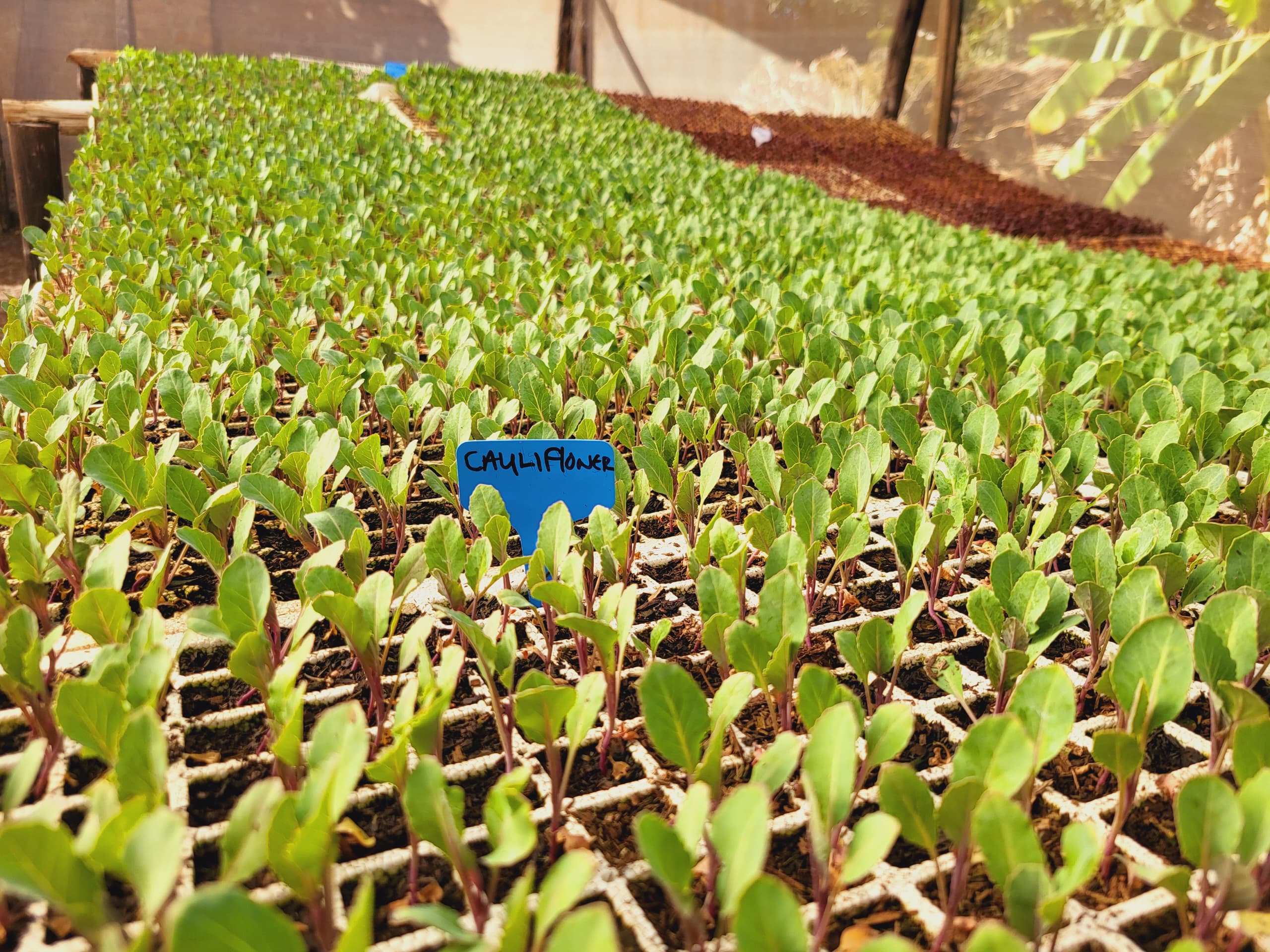
🥦Twister Cauliflower Seedlings Farming Guide in Zimbabwe — Premium White Curds & High Market Value
🌿 Introduction to Twister Cauliflower Seedlings
Twister Cauliflower is a top-performing hybrid variety known for its excellent self-wrapping leaves, bright white curds, and high tolerance to temperature fluctuations. Developed for tropical and subtropical climates, Twister thrives exceptionally well in Zimbabwe’s diverse growing zones — from Mashonaland to Matabeleland.
This variety’s uniform heads, compact growth, and short maturity period make it a favorite among commercial farmers and market gardeners looking to maximize profits and market consistency.
Farmers can also explore similar varieties in our guides:
🌦️ Ideal Climate and Soil Requirements
Twister Cauliflower is designed to perform in moderately cool to warm environments, offering flexibility for both winter and off-season production.
Optimum Growing Conditions:
Temperature: 16°C – 28°C
Altitude: 900 – 1,500 meters above sea level
Rainfall: 500 – 800 mm annually
Soil: Deep, fertile loam or sandy loam with good drainage
pH Range: 6.0 – 7.0
Avoid acidic soils (below 5.5 pH) and heavy clays prone to waterlogging, which can hinder root development and curd formation.
🌱 Seedling Production and Land Preparation
Start with certified Twister Cauliflower Seedlings or sow seeds in a sterile seedling tray filled with a light, well-aerated medium (e.g., compost and sand).
Seedling Tips:
Germination Temperature: 18–22°C
Seedling Age for Transplanting: 4–6 weeks (4–5 true leaves)
Hardening: Gradually expose seedlings to outdoor conditions for 5–7 days before transplanting.
Land Preparation Steps:
Deep plough (30 cm) to break hardpans and improve aeration.
Incorporate 10–15 tons/ha of compost or manure.
Apply Compound C (6:15:12) at 300–400 kg/ha before planting.
Form ridges or raised beds for improved drainage.
📅 Planting and Spacing
Planting Spacing: 45 cm (within row) × 60 cm (between rows)
Planting Depth: Match nursery level; avoid burying the stem.
Best Time to Plant:
Cool Season: March – August (ideal)
Warm Season: September – February (under irrigation)
Tip: Transplant during the early morning or late afternoon to reduce transplant shock.
💧 Irrigation and Water Management
Twister Cauliflower requires consistent and adequate moisture, especially during curd initiation and expansion.
Watering Schedule:
Early Growth: Light, frequent watering (2–3 times/week)
Curd Development: Increase to 3–4 times/week
System: Drip irrigation is ideal for efficient moisture delivery and reduced disease pressure.
Pro Tip: Use mulch (e.g., grass, maize stover) to conserve water, reduce weed growth, and maintain uniform soil temperature.
🌿 Fertilization Program
| Growth Stage | Fertilizer Type | Rate (kg/ha) | Timing |
|---|---|---|---|
| Pre-planting | Compound C (6:15:12) | 300–400 | Basal application |
| 3 Weeks After Transplant | Ammonium Nitrate (34.5% N) | 150 | Top dressing |
| 6 Weeks After Transplant | Ammonium Nitrate (34.5% N) | 150 | Top dressing |
| Curd Formation | Calcium Nitrate / Foliar Feed | As per label | Improves firmness & prevents tip burn |
Micronutrient Boost: Foliar sprays containing boron and molybdenum are recommended to prevent hollow stems and uneven curds.
🐛 Pest and Disease Management
Common Pests
Diamondback moth: Spray Coragen or Dipel (biological control).
Aphids: Use systemic insecticides like Imidacloprid or neem-based sprays.
Cutworms: Apply Carbaryl at planting or use physical barriers.
Common Diseases
Downy mildew: Spray Mancozeb or Ridomil Gold.
Black rot: Avoid overhead irrigation and rotate crops.
Clubroot: Maintain pH above 6.5 through liming.
Follow Integrated Pest Management (IPM) principles — combining cultural, biological, and chemical control strategies.
🌸 Crop Management Practices
Keep the field weed-free during the first 6 weeks.
Hill up soil around the plant base to encourage root stability.
Regularly scout for pests and diseases.
Rotate with non-cruciferous crops like maize or beans every 2–3 seasons.
🧑🌾 Harvesting and Yield
Maturity Period: 75–85 days after transplanting
Harvest Indicators: Compact, white curds weighing 1–1.5 kg each
Harvesting Tip: Cut curds early in the morning and keep 3–4 wrapper leaves to protect from sunburn.
Expected Yield: 25–35 tons per hectare under good agronomic practices.
Twister’s curds are firm, smooth, and uniform, making it an excellent choice for fresh markets and processing.
💰 Market and Profitability
Twister Cauliflower is highly sought after by:
Fresh produce markets (Mbare, Sakubva, Bulawayo)
Supermarkets & wholesalers
Export buyers (regional horticultural trade)
Profitability:
Gross margins can reach US$2,500–4,500 per hectare, depending on yield, season, and market conditions.
🌍 Sustainable and Climate-Smart Practices
Practice drip irrigation to optimize water use.
Incorporate organic matter for soil fertility.
Rotate crops to prevent soil exhaustion and pest build-up.
Use biological pest control whenever possible.
Apply mulches and windbreaks to protect young plants.
🧾 Record Keeping
Keep detailed records of:
Input costs (fertilizer, pesticides, seedlings)
Dates (planting, topdressing, harvesting)
Yield per plot
Market prices and sales volumes
This helps improve decision-making and financial planning for future production cycles.
📞 Where to Buy Twister Cauliflower Seedlings in Zimbabwe
You can buy high-quality Twister Cauliflower Seedlings from:
Always ensure you source certified seedlings for uniform growth and strong field performance.
❓ Frequently Asked Questions (FAQ)
Q1: How long does Twister Cauliflower take to mature?
Twister matures in 75–85 days after transplanting, depending on climate and management.
Q2: What is the best planting spacing for Twister Cauliflower?
Use 45 cm × 60 cm spacing to ensure good airflow and curd size.
Q3: What yield can I expect per hectare?
Under good management, expect 25–35 tons per hectare.
Q4: What makes Twister different from Spacestar Cauliflower?
Twister offers better self-wrapping leaves, tighter curds, and greater temperature tolerance than Spacestar, making it ideal for diverse Zimbabwean climates.

