

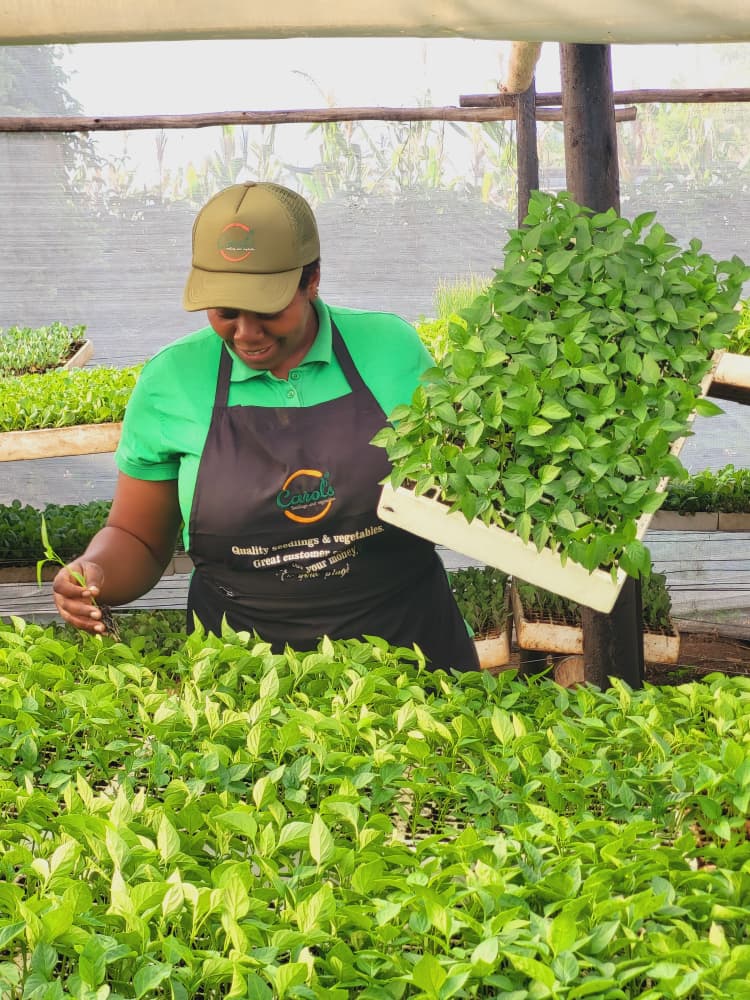
🌶️California Wonder Pepper Seedlings: The Reliable Bell Pepper Variety for Zimbabwean Farmers
🌱 Introduction
For Zimbabwean farmers seeking a profitable, resilient, and market-ready sweet pepper, California Wonder stands out as a top performer. Known for its thick-walled, glossy green fruits that turn deep red at full maturity, this variety is loved by both consumers and traders.
Whether you’re growing for local markets in Harare, Gweru, or Mutare, or supplying supermarkets and restaurants, California Wonder delivers consistent yields, attractive fruit size, and excellent flavor.
🌿 Variety Overview: California Wonder Sweet Pepper
Botanical Name: Capsicum annuum
Type: Sweet Bell Pepper
Maturity: 70–80 days after transplanting
Fruit Size: 8–10 cm diameter
Fruit Color: Glossy green → bright red at maturity
Plant Height: 50–70 cm
Yield Potential: 15–25 tonnes per hectare under good management
Adaptation: Thrives in Zimbabwe’s mid to high altitude regions
🌍 Why Choose California Wonder in Zimbabwe
Versatile Market Demand: Used in salads, stir-fries, and as a culinary staple in urban centres.
Heat Tolerance: Performs well in both open field and protected environments (e.g. greenhouses).
Thick, Uniform Fruits: Perfect for fresh market presentation and processing.
Strong Disease Resistance: Good tolerance to bacterial leaf spot and tobacco mosaic virus.
Adaptable to Different Climates: Performs well in regions like Mashonaland, Manicaland, and Midlands.
🌾 Soil and Climate Requirements
Soil Type: Loamy or sandy loam with good drainage
Soil pH: 6.0–6.8
Temperature Range: 18 – 30 °C (optimal growth range)
Rainfall: 600–900 mm annually (or supplement with irrigation)
💡 Tip: Avoid planting in heavy clay or waterlogged fields — pepper roots are sensitive to poor aeration.
🌱 Transplanting
1. Transplanting
Harden seedlings by reducing watering a few days before transplant.
Spacing: 45 cm between plants × 60 cm between rows
Plant Density: ≈ 35 000 – 40 000 plants per hectare
Water immediately after transplant to settle roots.
🌿 Tip: Always purchase certified
California Wonder Pepper Seedlings
from reputable suppliers such as Carol’s Seedlings Zimbabwe to ensure strong, disease-free plants.
🌻 Fertilizer Program
| Growth Stage | Fertilizer Type | Rate (kg/ha) | Timing/Remarks |
|---|---|---|---|
| Basal | Compound C (2:3:2) | 300–400 | Apply at transplant |
| Vegetative Growth | Ammonium Nitrate (34.5 % N) | 200–250 | 3–4 weeks after transplant |
| Flowering & Fruit Set | Potassium Nitrate (KNO₃) or Sulphate of Potash | 150–200 | Boost fruit size and color |
| Fruit Development | CAN (Calcium Ammonium Nitrate) | 100–150 | 6–7 weeks after transplant |
💧 Always irrigate after each fertilizer application to enhance nutrient uptake.
💧 Irrigation Schedule
| Growth Stage | Water Frequency | Notes |
|---|---|---|
| Seedling Stage | Daily (light watering) | Prevent drying out |
| Vegetative Stage | 2–3 times per week | Maintain moisture for leaf growth |
| Flowering & Fruit Set | 3–4 times per week | Critical stage for yield |
| Ripening Stage | 2 times per week | Avoid over-watering to reduce fruit cracking |
For drip systems, maintain steady soil moisture and avoid water stress during flowering.
🐛 Pest & Disease Management
| Problem | Symptoms | Control Measures |
|---|---|---|
| Aphids | Sticky residue on leaves | Spray with dimethoate or neem extract |
| Fruit Borers | Holes in fruits | Use biological control (Bacillus thuringiensis) or Spinosad |
| Thrips | Silvery patches on leaves | Rotate with onion/garlic and apply systemic insecticide |
| Bacterial Leaf Spot | Dark water-soaked spots | Use disease-free seed and copper-based fungicides |
| Anthracnose | Sunken lesions on fruit | Practice crop rotation and apply mancozeb |
✅ Integrated Pest Management (IPM) combines biological and chemical methods to reduce losses sustainably.
🧺 Harvesting & Post-Harvest Handling
Harvest Period: 75–90 days after transplanting.
Pick Stage: When fruits are firm and fully green (or turning red if desired).
Harvest every 2–3 days to encourage new fruit set.
Handle gently to avoid skin damage.
Storage: Keep in cool, shaded conditions (8–10 °C) to retain freshness for up to 2 weeks.
💰 Marketing Opportunities in Zimbabwe
California Wonder peppers have steady demand across major agricultural and urban markets such as:
Mbare (Mbare Msika) – bulk traders & wholesalers
Chitungwiza, Mutare, Gweru & Bulawayo – retail and hotel buyers
Supermarkets & Export Markets – supply chains into South Africa & Botswana
Farmers can boost profits by partnering with local produce collection centres or selling online through platforms like Fresh in the Field Zimbabwe.
📌 Related Guides:
Gemma Plus Cabbage Seedlings – High-Yield Hybrid for Zimbabwean Farmers
Kiwa Cabbage Seedlings – Early Maturity Variety for Consistent Production
❓ Frequently Asked Questions (FAQ)
Q1: How long does California Wonder pepper take to mature?
Approximately 75–90 days after transplanting, depending on climate and management.
Q2: What fertilizer is best for sweet peppers?
Apply Compound C (2:3:2) as basal and Ammonium Nitrate + Potassium Nitrate during fruit formation.
Q3: Can California Wonder grow under greenhouse conditions?
Yes — it performs exceptionally well in protected cultivation with controlled irrigation.
Q4: How do I prevent fruit borer damage?
Use biological sprays like Bt (Bacillus thuringiensis) and monitor fields regularly.
Q5: What is the average yield per hectare?
15–25 tonnes per hectare under proper irrigation and fertility management.
✅ Conclusion
California Wonder Pepper Seedlings offer Zimbabwean farmers a reliable and profitable option for sweet pepper production. With strong market demand, disease resistance, and adaptability to Zimbabwe’s conditions, this variety can deliver consistent returns year after year.
By following best agronomic practices in this guide, you’ll set your farm up for success in the thriving horticultural sector.

