

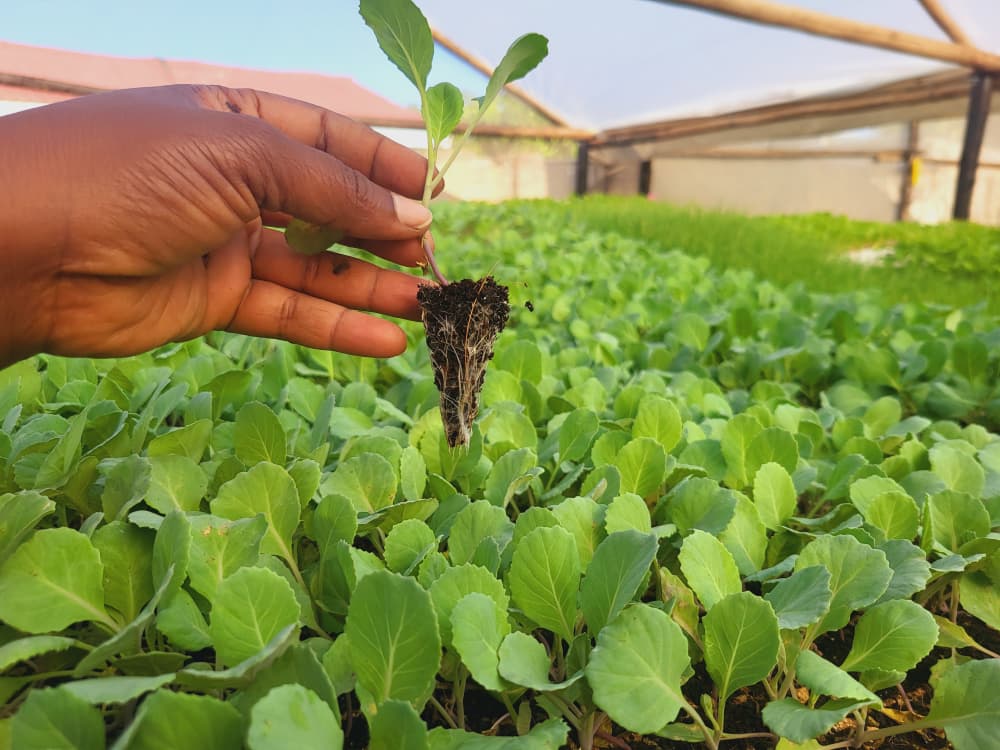
🥬Gemma Plus Cabbage Seedlings: Premium Hybrid for High-Yield Production in Zimbabwe
🥬 Introduction
Zimbabwe’s vegetable market demands consistent quality and high-yield crops — and Gemma Plus Cabbage Seedlings deliver just that. Known for their dense, uniform heads and excellent field performance, Gemma Plus is ideal for both small-scale and commercial farmers seeking profitability, resilience, and market appeal.
Whether you’re farming in Marondera, Mazowe, or Mutare, Gemma Plus performs exceptionally well in cool to moderate climates, offering stability and productivity in Zimbabwe’s diverse growing zones.
🌱 Variety Overview: Gemma Plus Cabbage
Gemma Plus is a medium-maturing hybrid cabbage variety developed to balance yield, durability, and disease resistance. It’s recognized for its ability to produce firm, compact heads that retain their quality long after maturity — making it excellent for the fresh market and bulk buyers.
Key Attributes:
Maturity: 75–85 days after transplanting
Head Weight: 3–4 kg (compact, round heads)
Leaf Color: Blue-green, waxy surface
Resistance: Strong tolerance to black rot and fusarium
Yield Potential: 60–80 tonnes per hectare
Adaptation: Performs well across Zimbabwe’s highveld and middleveld regions
🌍 Why Choose Gemma Plus for Your Farm
Excellent Field Holding: Heads stay firm even after full maturity, allowing flexible harvest timing.
High Yield & Uniformity: Consistent head size ideal for supermarket packaging and wholesale buyers.
Disease Resistance: Reduced losses due to strong tolerance against common cabbage diseases.
Market Versatility: Suitable for both fresh consumption and processing.
Adaptability: Performs well under both rain-fed and irrigated conditions in Zimbabwe.
🌾 Soil & Climate Requirements
Soil Type: Fertile loam or sandy loam soils rich in organic matter
Soil pH: 6.0–6.8 (slightly acidic to neutral)
Climate: Cool to moderately warm; best grown during autumn or winter in Zimbabwe
Land Preparation: Plough deeply and incorporate organic compost or well-rotted manure (15–20 tons/ha) before planting
🌿 Transplanting Guide
Seedling Age for Transplant: 4–5 weeks, with 4–5 true leaves.
1. Transplanting
Spacing: 45 cm between plants × 60 cm between rows
Density: ~35,000–40,000 plants per hectare
Planting Tip: Transplant in the evening or on a cloudy day to reduce transplant shock.
Water immediately after transplanting.
🌻 Fertilizer Application Schedule
| Growth Stage | Fertilizer Type | Rate (kg/ha) | Timing / Notes |
|---|---|---|---|
| Basal | Compound C (2:3:2) | 300–400 | Apply during transplanting |
| Top Dressing 1 | Ammonium Nitrate (34.5% N) | 200–250 | 3–4 weeks after transplant |
| Top Dressing 2 | Ammonium Nitrate | 100–150 | 6–7 weeks after transplant or before head formation |
💡 Tip: After each fertilizer application, irrigate thoroughly to improve nutrient uptake and prevent burning.
💧 Irrigation Management
Gemma Plus requires consistent soil moisture for optimal head development.
| Growth Stage | Irrigation Frequency | Notes |
|---|---|---|
| Nursery | Daily (light watering) | Avoid waterlogging |
| Vegetative | 2–3 times per week | Maintain even moisture |
| Head Formation | 3 times per week | Critical stage for head firmness |
| Pre-Harvest | Reduce watering | Helps prevent splitting and rot |
For farmers with drip irrigation, maintain a uniform flow to keep soil moisture balanced throughout the root zone.
🐛 Pests and Disease Management
| Problem | Symptoms | Control Method |
|---|---|---|
| Aphids | Curling leaves, sticky residue | Spray with neem extract or dimethoate |
| Diamondback Moth | Holes on leaves | Biological control (Bacillus thuringiensis) or recommended insecticides |
| Cutworms | Cut seedlings at base | Apply Carbaryl or Deltamethrin around stems |
| Black Rot | Yellow V-shaped lesions | Crop rotation, use clean water, avoid overhead irrigation |
| Downy Mildew | Gray mold underside of leaves | Apply copper-based fungicides |
✅ Integrated Pest Management (IPM) is encouraged — combining biological, cultural, and minimal chemical controls for long-term sustainability.
🧺 Harvesting and Post-Harvest Handling
Harvest Time: 75–85 days after transplanting
Harvest Indicators: Heads are firm, compact, and reach 3–4 kg
Use a sharp knife to cut heads at the base, leaving a few wrapper leaves.
Sort by size and remove damaged leaves.
Storage: Keep in a shaded, ventilated area or refrigerate at 0–2°C for up to 3 weeks.
💰 Market Opportunities in Zimbabwe
Gemma Plus cabbage has strong market demand across Zimbabwe’s major agricultural and retail hubs:
Urban Markets: Mbare (Harare), Sakubva (Mutare), Kudzanai (Gweru)
Wholesale Buyers: Restaurants, hotels, and supermarkets
Export Markets: Botswana and South Africa
👉 Farmers can enhance profitability by partnering with local vegetable collection centers or online agri-marketplaces such as Fresh in the Field Zimbabwe.
📌 Related Reads:
Kiwa Cabbage Seedlings – Early Maturity Hybrid for Zimbabwe Farmers
Star 3301 Cabbage Seedlings – Heat-Tolerant Hybrid for Commercial Growers
❓ Frequently Asked Questions (FAQ)
Q1: How long does Gemma Plus cabbage take to mature?
Gemma Plus matures in about 75–85 days after transplanting under good management.
Q2: What fertilizer works best for Gemma Plus cabbage?
Use Compound C (2:3:2) as the basal fertilizer and Ammonium Nitrate (AN) for top dressing.
Q3: Can Gemma Plus be grown in warm areas like Chiredzi?
Yes, but consistent irrigation and mulching are essential to manage heat stress.
Q4: What causes cabbage heads to split?
Overwatering during maturity — reduce irrigation once heads are firm to prevent splitting.
Q5: Is Gemma Plus suitable for both small and large-scale farmers?
Absolutely. Its uniformity, resilience, and high yield make it ideal for all scales of production.
✅ Conclusion
Gemma Plus Cabbage Seedlings are an excellent choice for Zimbabwean farmers looking for a balance between high yield, durability, and market value. With proper soil preparation, fertilization, irrigation, and pest control, farmers can expect superior returns and consistency across seasons.
For optimal success, source high-quality seedlings from certified suppliers and follow the best agronomic practices outlined above.

