

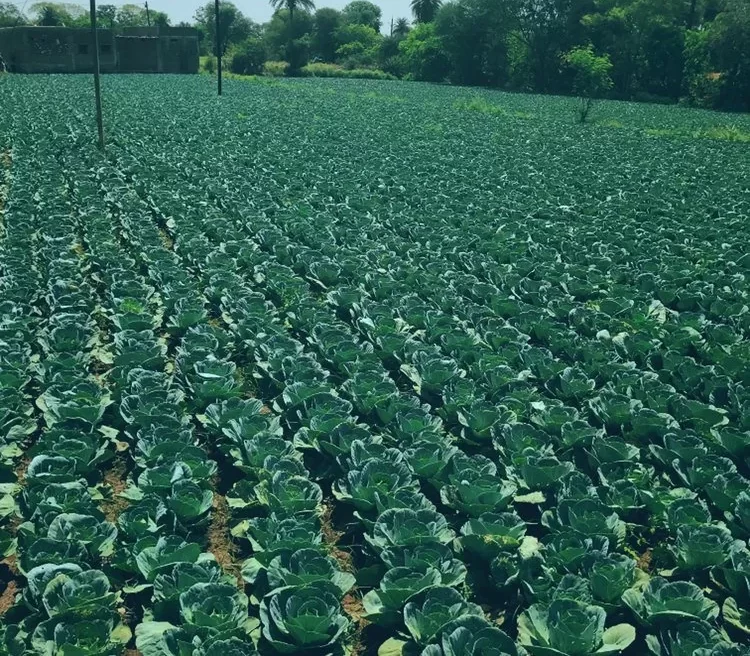
A Golden Harvest: Your Comprehensive Guide to Cabbage Farming in Zimbabwe
Cabbage is the resilient king of vegetables and a cornerstone of Zimbabwean agriculture. From the bustling stalls of Mbare Musika to rural homesteads, it’s a dietary staple and a vital source of income for small-scale farmers. For aspiring agripreneurs, a successful cabbage harvest in Zimbabwe can seem daunting.
This comprehensive guide is designed for you. We provide the practical, localized knowledge to establish a profitable one-hectare cabbage production enterprise in Zimbabwe. We cover everything from choosing the right Seed Co varieties to marketing your produce in Harare, turning your farming dreams into a thriving reality.
Why Cabbage Farming is Profitable in Zimbabwe
Before we dive in, let’s explore why cabbage farming in Zimbabwe is a smart investment. Demand is consistently high year-round from households and businesses. Its short maturity period (60-90 days) allows for quick turnover and multiple harvests per year, ensuring a faster return on investment.
A well-managed one-hectare plot can yield 40 to 60 tonnes, with potential for over 100 tonnes using advanced techniques. The profit potential per hectare is significant, making it a highly attractive venture.
Step 1: The Zimbabwe Cabbage Farm Business Plan & Budget
No venture should start without a solid plan. For your one-hectare cabbage farm in Zimbabwe, this means a detailed budget. Costs can vary, but here’s a breakdown in USD for key expenses:
Land Preparation: Tractor hire for ploughing and harrowing.
Seeds/Seedlings: A major cost. Invest in high-yield, disease-resistant hybrid F1 varieties.
Fertilizers: Cabbage is a heavy feeder. You’ll need basal (Compound C) and top-dressing (Ammonium Nitrate – AN) fertilizers. A soil test is highly recommended.
Chemicals: Budget for herbicides, pesticides (for Diamondback Moth), and fungicides.
Irrigation: Critical for success. Costs for drip irrigation or sprinklers and water pumping.
Labour: For planting, weeding, spraying, and harvesting.
Marketing & Transport: Costs to get your produce to market (e.g., transport to Mbare Musika).
Pro Tip: Always factor in a contingency fund for unexpected costs.
Step 2: Soil, Seeds & Planting for Zimbabwe’s Climate
Best Cabbage Varieties for Zimbabwe
Choosing the right variety is crucial. Select one suited to your agro-ecological region. Popular, reliable cabbage varieties in Zimbabwe include:
Drumhead: Large, round, and excellent for storage.
Copenhagen Market: Widely adapted and early-maturing.
Star 3311 F1 (Seed Co): A high-yielding hybrid with strong disease resistance.
Fabiola F1: Known for its uniformity and high yield.
Local Tip: Always consult with Seed Co Zimbabwe, Klein Karoo, or your local Agricura supplier for varieties proven in your specific area.
Soil Preparation and Management
Cabbage thrives in fertile, well-drained soil with a pH of 6.0 to 6.8.
Tillage: Deep ploughing is essential for root development.
Soil Test: The most important step. It determines pH adjustment (liming) and precise nutrient needs for Zimbabwean soils.
Fertilizer: Incorporate well-rotted manure. Apply basal fertilizer like Compound C before transplanting.
Nursery and Transplanting in Zimbabwe
For a hectare, use a nursery or seedling trays for better control.
Sowing: Sow seeds in trays with quality potting mix.
Transplanting: Move seedlings at 4-6 weeks old with 5-6 true leaves.
Spacing: Aim for 40,000 to 45,000 plants per hectare. Space rows 60-70 cm apart and plants 30-45 cm within the row.
Step 3: Crop Management: Water, Feed, Protect
Irrigation for Zimbabwean Farmers
Consistent moisture is key. Uneven watering causes heads to split.
Frequency: Water frequently after transplanting. mature plants need deep, less frequent watering.
Methods: Drip irrigation is most efficient. Overhead sprinklers work but can increase fungal disease risk.
Fertilization Schedule
Cabbage is a heavy feeder. Follow a precise schedule:
Basal Application: Apply Compound C before transplanting.
Top-Dressing: Split-apply Ammonium Nitrate (AN). First application 3-4 weeks after transplanting, second 2-3 weeks later.
Pest and Disease Control in Zimbabwe
A proactive Integrated Pest Management (IPM) approach is vital.
Common Pests in Zim:
Aphids/Thrips: Sap-sucking insects.
Diamondback Moth (DBM): Larvae chew holes in leaves.
Cutworms: Cut young seedlings.
Common Diseases in Zim:
Black Rot: Bacterial disease causing V-shaped lesions.
Fusarium Wilt: Soil-borne fungus causing yellowing.
Control Measures:
Regular Scouting: Check your crop daily.
Cultural Practices: Practice crop rotation and maintain field hygiene.
Chemical Control: Use registered pesticides from Zimbabwean suppliers and always follow label instructions.
Step 4: Harvesting and Selling in Zimbabwe
When and How to Harvest
Heads are ready 60-90 days after transplanting. Harvest when the head is firm and dense. Don’t delay, as overripe heads split and lose market value.
How to Sell Cabbage in Zimbabwe: Markets & Prices
Your success depends on selling at a good price. Here are your options:
Mbare Musika Market: The largest and most common market. Sell directly or through an agent.
Supermarkets (OK Zimbabwe, TM Pick n Pay): Offer stable prices but have strict quality requirements.
Wholesale Buyers: Supply hotels, restaurants, and schools.
Direct Sales: Use WhatsApp groups or roadside stalls to sell directly to consumers for better margins.
Conclusion: Your Profitable Zimbabwean Cabbage Farm Awaits
Cabbage farming on one hectare in Zimbabwe is demanding but highly rewarding. By meticulously planning your budget, adopting best practices, and implementing a smart marketing strategy, you can achieve a bountiful and profitable harvest.
Remember, every step—from the soil test to the sale at Mbare—contributes to your success. With this knowledge and dedication, you can become a leader in Zimbabwe’s cabbage production.
Ready to start? Share your cabbage farming questions in the comments below!

