

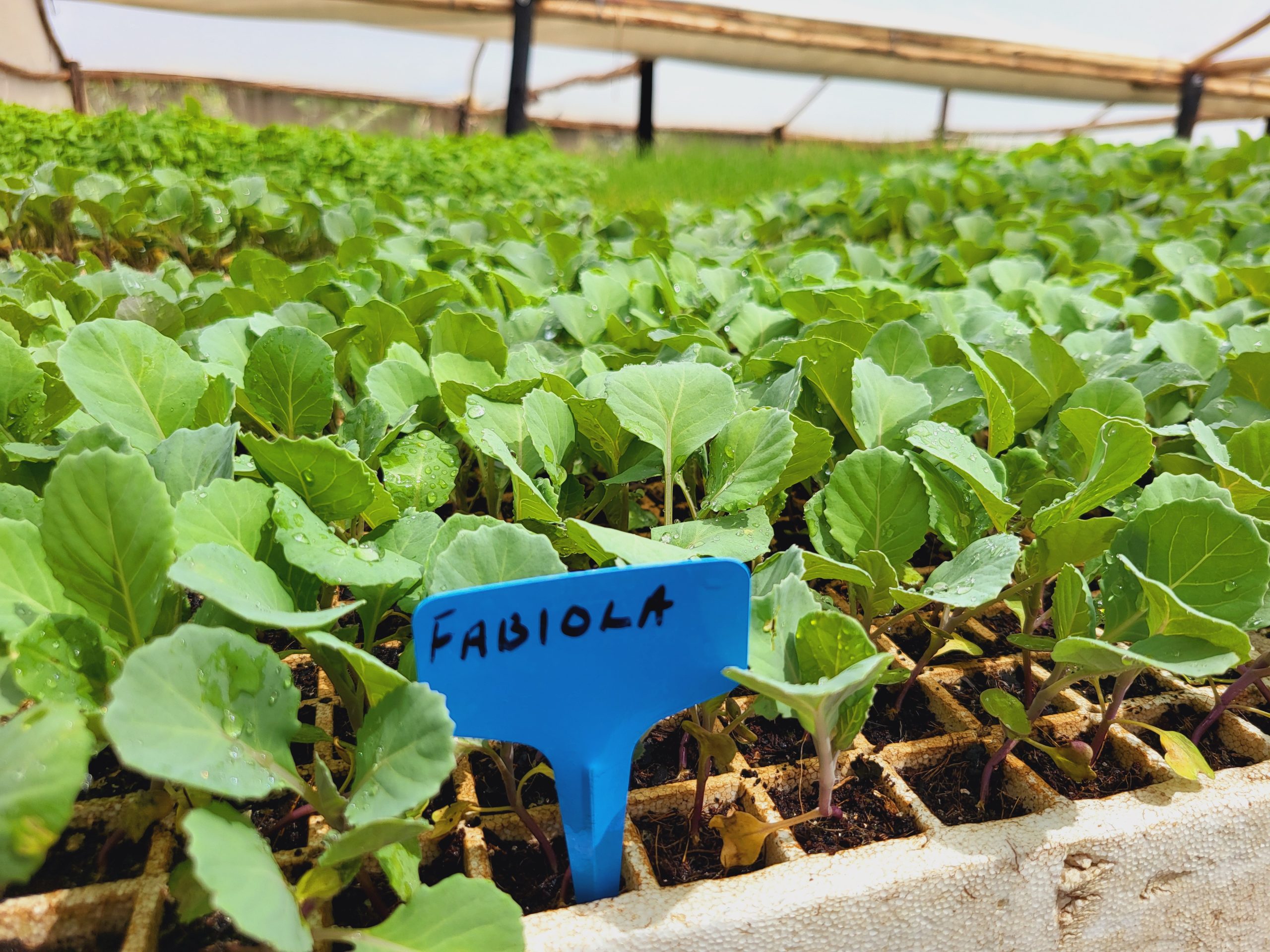
🥬Fabiola Cabbage Seedlings: The Ultimate Farming Guide for Zimbabwean Farmers
🌿 Introduction: Why Fabiola Cabbage Is a Top Choice for Zimbabwean Farmers
Cabbage is one of Zimbabwe’s most reliable and profitable vegetable crops, grown across all major agricultural regions. Among the leading varieties, Fabiola Cabbage stands out for its exceptional head size, excellent storage qualities, and resistance to disease, making it a favorite for both smallholder and commercial producers.
Whether you’re supplying Mbare Musika, OK Supermarkets, or exporting regionally, this guide will help you master every step — from nursery preparation to post-harvest handling — for maximum yields and profits.
💡 Related Reading: Kiwa Cabbage Seedlings Farming Guide for Zimbabwean Farmers
🧬 Step 1: Understanding the Fabiola Cabbage Variety
Fabiola is a hybrid cabbage variety bred for high yield, adaptability, and resilience. It performs exceptionally well under Zimbabwe’s variable climatic conditions — both in open fields and under irrigation.
🌱 Key Characteristics:
Medium to large heads (3–4.5 kg each)
Maturity period: 65–75 days after transplanting
High uniformity and compactness
Excellent resistance to black rot and fusarium yellows
Strong outer leaves that protect heads from cracking
Long shelf life — perfect for long-distance transport
🪴 Tip: Always purchase certified Fabiola Cabbage Seedlings from reliable nurseries such as Carol’s Seedlings Zimbabwe to ensure strong germination and disease-free plants.
🌾 Step 2: Ideal Growing Conditions in Zimbabwe
| Requirement | Optimal Range / Description |
|---|---|
| Climate | Cool to moderate (15°C – 25°C) |
| Altitude | 900 – 2,000 m above sea level |
| Rainfall | 500 – 800 mm annually or via irrigation |
| Soil Type | Fertile, well-drained loam or sandy loam |
| Soil pH | 5.8 – 6.5 |
Best regions for Fabiola cabbage: Mashonaland East, Mashonaland West, Midlands, Manicaland, and high-rainfall areas of Matabeleland.
🌾 Related Article: Vegetable Farming Calendar for Zimbabwe’s Growing Regions
🌿 Step 3: Land Preparation & Soil Fertility Management
Clear and plough the land 3–4 weeks before transplanting.
Incorporate organic manure or compost (10–15 tonnes per hectare).
Prepare a fine, level seedbed or raised ridges for drainage.
Apply basal fertilizer (Compound D or C) at 300–400 kg/ha before planting.
Soil Tip:
Use lime or gypsum if soil pH is below 5.8. This improves calcium levels and prevents “tip burn” in heads.
🌱 Read More: How to Prepare Soil for Vegetable Seedlings in Zimbabwe
🌱 Step 4: Transplanting Fabiola Cabbage Seedlings
Seedling Age: 4–6 weeks with 4–5 true leaves.
Spacing: 45 cm between plants × 60–75 cm between rows.
Planting Time: Late afternoon or on overcast days.
Water thoroughly before and after transplanting.
Add rooting booster or liquid seaweed extract for faster establishment.
💧 Tip: Avoid overcrowding — it reduces head size and increases disease risk.
💦 Step 5: Irrigation and Water Management
Cabbage requires consistent water to maintain growth and prevent splitting.
Irrigation Schedule:
Early stage: Water every 2–3 days.
Head development: Increase to daily watering during hot periods.
Reduce watering near harvest to prevent cracking.
Best method: Drip irrigation ensures water efficiency and disease prevention.
💧 Related Reading: Efficient Drip Irrigation Techniques for Zimbabwean Farmers
🧪 Step 6: Fertilizer Application Schedule
| Growth Stage | Fertilizer Type | Rate & Timing |
|---|---|---|
| Basal (Pre-plant) | Compound D (7:14:7) | 300–400 kg/ha before transplanting |
| Top Dressing 1 | Ammonium Nitrate (34.5% N) | 100 kg/ha at 3 weeks after transplanting |
| Top Dressing 2 | Ammonium Nitrate | 150 kg/ha at 6 weeks after transplanting |
🧩 Always apply fertilizers after watering to prevent leaf burn. Supplement with calcium nitrate or foliar feeds for healthier heads.
🐛 Step 7: Pest and Disease Control
Common Pests
Diamondback moth
Aphids
Cabbage looper
Cutworms
Control Tips:
Use yellow sticky traps for monitoring.
Spray with neem oil or biological insecticides like Belt, Coragen, or Tracer.
Rotate crops and maintain field hygiene.
Common Diseases
Black rot
Clubroot
Downy mildew
Prevention:
Avoid planting in poorly drained fields.
Use clean, disease-free seedlings.
Apply copper-based fungicides as needed.
🌿 See Also: Organic Pest Control for Leafy Vegetables in Zimbabwe
🧺 Step 8: Harvesting and Post-Harvest Handling
Maturity: 80–90 days after transplanting.
Harvesting sign: Heads are firm and fully developed.
Cut with a sharp knife, leaving a short stem.
Avoid harvesting during midday heat.
Grade according to size and remove damaged outer leaves.
Store in a cool, ventilated place (10–15°C).
Expected Yields:
Small-scale (¼ acre): 7–9 tonnes
Commercial (1 hectare): 80–100 tonnes
🧺 Read Next: Best Post-Harvest Practices for Leafy Vegetables in Zimbabwe
💰 Step 9: Market and Profitability Analysis
Fabiola Cabbage enjoys steady market demand in:
Local markets (Mbare, Sakubva, Gweru)
Wholesale buyers (retailers, restaurants, hotels)
Export opportunities to Mozambique, Botswana, and Zambia
Profitability Estimate (Per Hectare):
| Cost Component | Approx. USD |
|---|---|
| Land preparation & inputs | $1,200 |
| Seedlings | $400 |
| Fertilizers & chemicals | $600 |
| Labour & irrigation | $400 |
| Total Cost | $2,600 |
| Revenue (80 tonnes @ $0.15/kg) | $12,000 |
| Profit | ≈ $9,400/ha |
💡 Pro Tip: Supply supermarkets and vegetable packhouses for consistent pricing and contract-based income.
🌍 Sustainability Practices
Use organic mulch to retain soil moisture.
Practice crop rotation to prevent soil-borne diseases.
Incorporate compost and green manure to maintain fertility.
Consider solar-powered irrigation for sustainable production.
📈 Final Thoughts
Fabiola Cabbage is a premium, high-yield hybrid ideal for Zimbabwean conditions. With proper soil care, irrigation, and pest management, you can achieve consistent, market-ready yields and excellent profit margins.
Whether you’re an emerging grower or an established commercial farmer, investing in Fabiola Cabbage Seedlings can turn your vegetable plot into a profitable agribusiness.
🪴 Start strong this season with certified Fabiola Cabbage seedlings from Carol’s Seedlings Zimbabwe.
❓Frequently Asked Questions (FAQ)
1. How long does Fabiola Cabbage take to mature?
Fabiola Cabbage typically matures in 80–90 days after transplanting.
2. What’s the best growing season for Fabiola Cabbage in Zimbabwe?
It performs best in cool to moderate seasons (March–August) but can be grown year-round under irrigation.
3. How much yield can I expect per hectare?
With proper management, yields of 80–100 tonnes per hectare are achievable.
4. Can Fabiola Cabbage be grown organically?
Yes — using compost, neem oil, and biological pest control methods for sustainable farming.

