

From Seedling to Sensation: The Expert Guide to Growing Supreme Sweet Peppers in Zimbabwe
Welcome to Carol’s Seedlings, your premier partner for agricultural excellence. For years, Zimbabwean farmers and gardeners have trusted our expertise and superior seedlings to transform their land into thriving, profitable ventures. While many peppers grow well here, sweet peppers (bell peppers) represent a particularly high-value, lucrative crop. This definitive guide draws on our deep, specialized knowledge to help you master their cultivation.
The Foundation of Success: Selecting Elite Varieties & Preparing Expert Soil
The journey to a record harvest begins not in the field, but with a strategic choice. Zimbabwe’s climate offers a fantastic growing window, but not all sweet peppers are created equal. At Carol’s Seedlings, we have meticulously trialed and selected hybrid varieties specifically bred for superior performance in the Zimbabwean context—offering enhanced disease resistance, higher yields, and the thick, sweet walls the market demands.
Once you’ve selected your elite Carol’s Seedlings variety, focus turns to soil. Sweet peppers demand well-drained, loamy soil with a precise pH between 6.2 and 6.8 for optimal nutrient uptake. Our agronomists recommend soil testing well in advance. To achieve the perfect structure and fertility, incorporate generous amounts of well-rotted manure or compost. For commercial-scale success, deep ploughing to 30 cm followed by careful harrowing is non-negotiable to create the ideal root environment.
The Carol’s Seedlings Advantage: Precision Propagation & Transplanting
This is where expertise truly separates amateurs from professionals. Growing from our certified disease-free seeds ensures vigour and genetic purity.
Sowing: Sow in our recommended seedling trays under a protected structure 8-10 weeks before the last frost. Critical to germination is maintaining a consistent soil temperature of 26-29°C; even a few degrees lower can drastically slow and unevenly stagger germination.
The Transplanting Timeline: True leaves are your signal. Once seedlings have developed their second set, they are ready for the crucial “hardening off” process. Gradually expose them to outdoor conditions over 7-10 days to prevent transplant shock—a key step we emphasize for ensuring rapid establishment.
Spacing for Success: Follow our guideline: space plants 45-50 cm apart in rows 60-70 cm apart. This is not just about plant size; it is a critical disease management strategy, ensuring ample air circulation to minimize fungal pressure.
The Nutrition Protocol: Fueling for Maximum Yield
Sweet peppers are not just heavy feeders; they are strategic feeders. Their nutritional needs change dramatically between the vegetative and fruiting stages. Carol’s Seedlings recommends a precise fertilization regimen:
At Planting: Incorporate a balanced fertilizer with a higher phosphorus (P) content to encourage strong root development, such as an N:P:K ratio of 11:22:22.
At Flowering: This is the pivotal moment. Switch to a high-potassium (K) fertilizer like 8:4:32. Potassium is the essential driver of fruit size, quality, sweetness, and overall yield. Top-dress every 4-5 weeks during the fruiting period.
Watering Wisdom: Consistency is everything. Practice regular, deep watering to maintain even soil moisture. Drip irrigation is the gold standard, championed by our experts for delivering water directly to the roots while keeping foliage dry—a primary defense against disease.
Protecting Your Investment: Expert Integrated Pest & Disease Management
Vigilance protects profitability. Common threats like aphids and thrips can be effectively managed with organic solutions like neem oil at first sight. For fungal issues like powdery mildew or damping-off, prevention is paramount. The practices we’ve already outlined—proper spacing, avoiding overhead watering, and using drip irrigation—are your first and most effective line of defense. Always remove and destroy any infected plant material immediately.
The Reward: Harvesting Your Premium Crop
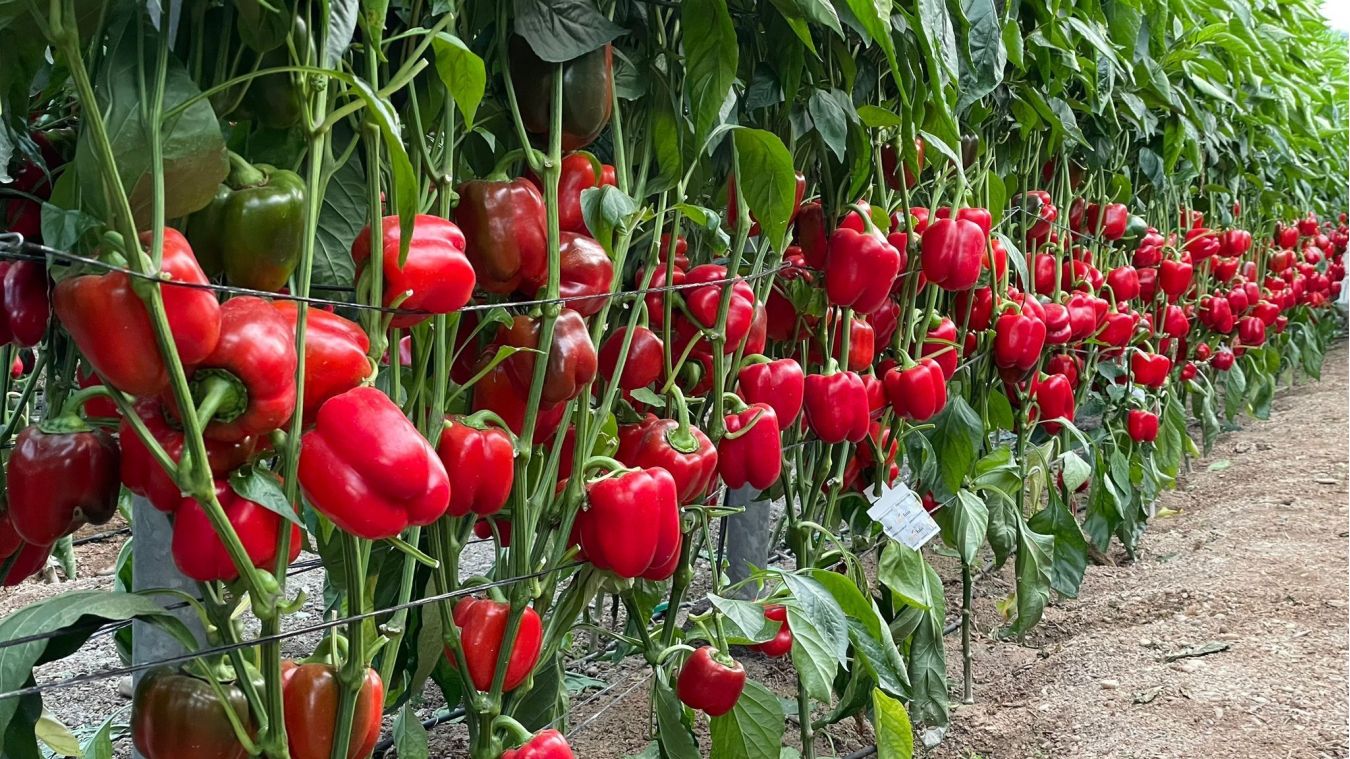
The moment of harvest is where your expertise and patience pay dividends. Sweet peppers are ready when they are firm, glossy, and have reached their full blocky shape and deep color (whether green, red, yellow, or orange). Use sharp, clean shears or a knife to cut the fruit from the plant, leaving a short stem attached. This method prevents plant damage and extends the pepper’s shelf life. Harvest regularly to stimulate the plant to produce more fruit.
Partner with the Experts
Growing premium sweet peppers is a science and an art. By following these expert protocols and starting with the certified, high-performance varieties from Carol’s Seedlings, you are not just planting a crop—you are investing in a proven path to profitability and sensation.
Contact Carol’s Seedlings today to select the perfect sweet pepper varieties for your farm or garden and unlock your full growing potential.

