

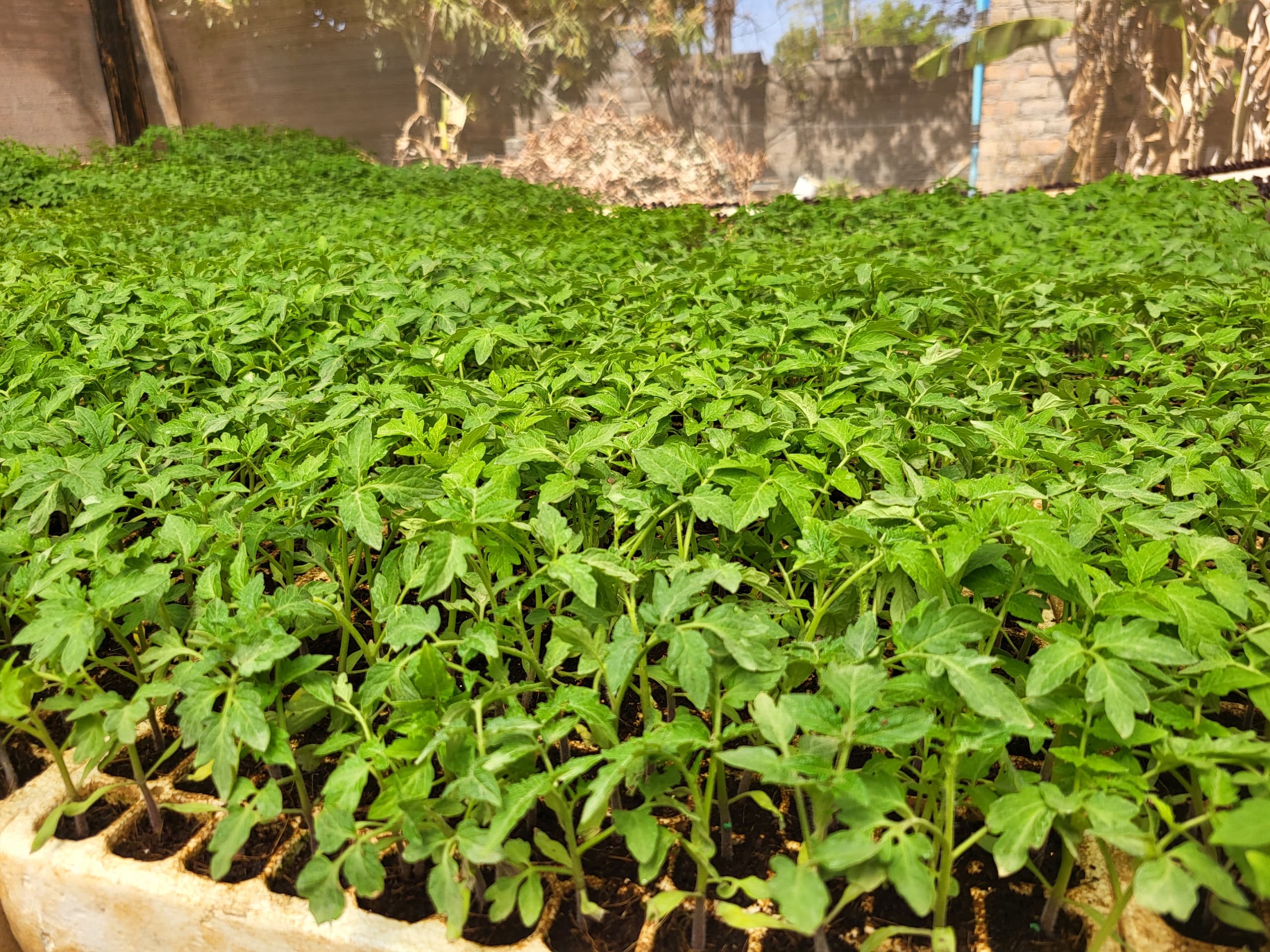
HTX14 Tomato Seedlings in Zimbabwe: A Complete Growing Guide for Farmers
Introduction
Tomatoes are one of the most profitable vegetable crops in Zimbabwe, and choosing the right variety can make all the difference in yield and profitability. HTX14 Tomato Seedlings are a high-yielding hybrid variety known for their strong vigor, uniform fruits, and excellent shelf life — making them ideal for both small-scale and commercial farmers.
Whether you’re supplying local markets, supermarkets, or processors, this guide will walk you through everything you need to know to grow HTX14 tomatoes successfully from seedlings to harvest.
1. Variety Overview: What Makes HTX14 Tomatoes Special
HTX14 is a determinant hybrid tomato variety developed for high performance in tropical and subtropical conditions like Zimbabwe’s. Its key advantages include:
High yield potential – can produce over 60–80 tons per hectare under good management.
Firm fruits – round to slightly flattened, ideal for transport and storage.
Disease tolerance – resistant to bacterial wilt, fusarium, and nematodes.
Excellent marketability – uniform red fruits with great shelf appeal.
Adaptability – performs well in open fields and greenhouses across all farming regions of Zimbabwe.
2. Ideal Growing Conditions for HTX14 Tomatoes in Zimbabwe
HTX14 thrives in warm, frost-free regions such as Mashonaland, Midlands, and Manicaland.
Here are key environmental requirements:
| Parameter | Ideal Range |
|---|---|
| Temperature | 20°C – 28°C |
| Rainfall | 600–800mm annually |
| Soil Type | Sandy loam to loam, well-drained |
| Soil pH | 5.5 – 6.8 |
| Elevation | 300–1800m above sea level |
Before planting, conduct a soil test to determine nutrient levels and adjust accordingly with lime or organic matter.
3. Land Preparation and Soil Fertility
Prepare land 2–3 weeks before transplanting:
Plough and harrow to achieve a fine tilth.
Incorporate well-decomposed manure (10–15 tons/ha) to improve fertility and structure.
Apply basal fertilizer such as Compound C (300–400kg/ha) before transplanting.
Ensure raised beds (20–25 cm high) in areas prone to waterlogging.
4. Transplanting HTX14 Tomato Seedlings
Transplanting Time:
Best done early morning or late afternoon to reduce stress.
Spacing:
Row to Row: 90 cm
Plant to Plant: 45 cm
Population Density: Approx. 24,000–25,000 plants per hectare.
Transplanting Steps:
Water seedlings before transplanting.
Transplant healthy seedlings with 4–6 true leaves.
Water immediately after planting.
Mulch around plants to retain moisture.
5. Fertilizer Program
| Stage | Fertilizer Type | Rate & Timing |
|---|---|---|
| Basal | Compound C | 300–400 kg/ha |
| Top Dressing 1 | Ammonium Nitrate | 10–14 days after transplanting (100 kg/ha) |
| Top Dressing 2 | Ammonium Nitrate | At flowering (100 kg/ha) |
| Top Dressing 3 | Potassium Nitrate | During fruit set (100 kg/ha) |
Tip: Use drip irrigation for efficient fertilizer application through fertigation systems.
6. Irrigation Management
Tomatoes need consistent moisture for fruit development:
Irrigation Frequency: Every 3–5 days (depending on soil type and weather).
Avoid overwatering to prevent root rot.
Drip irrigation is recommended for water efficiency and disease control.
During dry months in Zimbabwe (August–October), increase irrigation frequency.
7. Pest and Disease Control
Common Pests:
Aphids
Whiteflies
Tomato leaf miner (Tuta absoluta)
Cutworms
Common Diseases:
Early and Late Blight
Fusarium Wilt
Bacterial Spot
Management Tips:
Practice crop rotation with non-solanaceous crops.
Use biological or organic pest control where possible.
Apply registered fungicides and insecticides as per local agronomic advice.
Remove and destroy infected plants early.
8. Staking and Pruning
Staking helps improve air circulation and fruit quality:
Use bamboo or wooden stakes (1.5–2m tall).
Start staking 2 weeks after transplanting.
Prune side shoots regularly to encourage vertical growth and larger fruits.
9. Harvesting and Post-Harvest Handling
Harvest Period:
Approximately 75–85 days after transplanting depending on temperature.
Harvest Indicators:
Fruits change from green to red.
Firm to the touch but not overripe.
Post-Harvest Handling:
Harvest in the morning to minimize heat stress.
Sort and grade fruits by size and color.
Store in a cool, shaded area to extend shelf life.
HTX14 tomatoes can store up to 2 weeks under proper post-harvest conditions — ideal for long-distance transport and market sales.
10. Expected Yield and Market Opportunities
Average Yield: 60–80 tons per hectare.
Market Potential: High demand in local markets (Mbare, Sakubva, Kudzanai), supermarkets, and for processing into sauces and pastes.
Off-season Production: Can fetch premium prices when produced during dry months using irrigation.
11. Where to Buy HTX14 Tomato Seedlings in Zimbabwe
For high-quality, disease-free HTX14 Tomato Seedlings, contact Carol’s Seedlings, your trusted seedling nursery in Zimbabwe.
We provide strong, healthy seedlings raised under professional nursery conditions — ready for transplanting on your farm.
👉 Order HTX14 Tomato Seedlings from Carol’s Seedlings
Frequently Asked Questions (FAQs)
Q1: How long do HTX14 tomatoes take to mature?
A: They mature in about 75–85 days after transplanting, depending on climate and management.
Q2: Are HTX14 tomatoes suitable for greenhouse production?
A: Yes, they perform well in both open field and greenhouse conditions.
Q3: How do I control tomato leaf miner (Tuta absoluta)?
A: Use pheromone traps, resistant varieties, and biological control products registered for tomato pest management.
Q4: What fertilizer is best for fruit setting?
A: Potassium Nitrate or Calcium Nitrate helps improve fruit quality and firmness during fruiting.

