

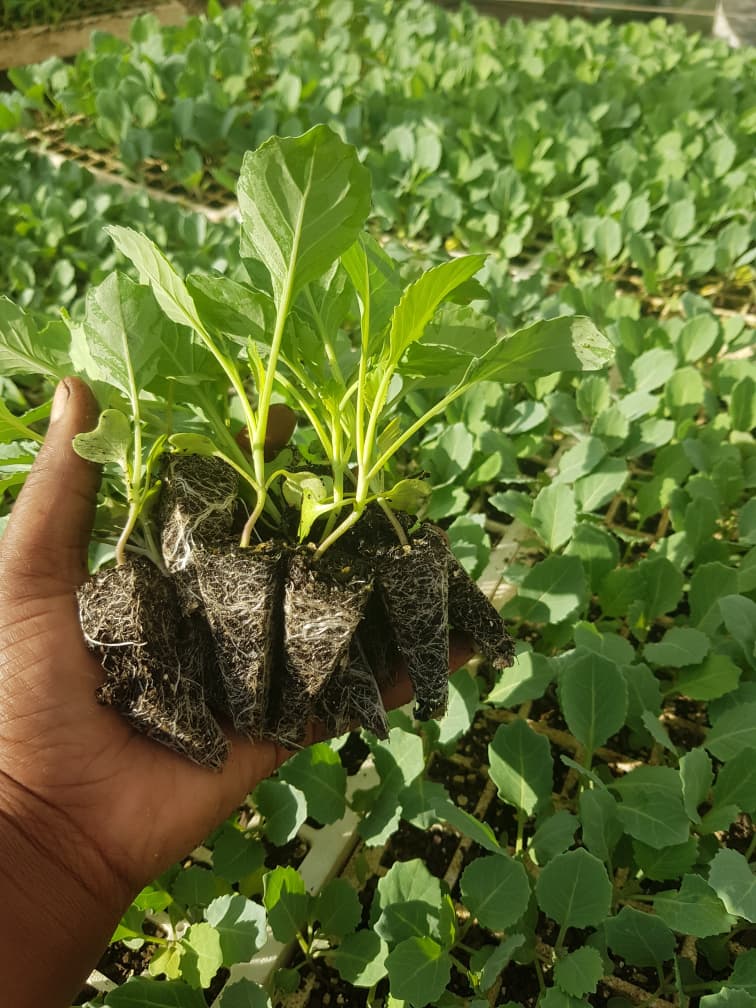
🥬Star 3301 Cabbage Seedlings: The Complete Farming Guide for Zimbabwean Growers
🌱 Introduction: Why Star 3301 Is a Trusted Hybrid for Zimbabwean Farmers
Cabbage farming remains one of the most consistent income-generating ventures for farmers across Zimbabwe. Among the leading hybrid varieties, Star 3301 cabbage stands out for its uniform heads, short maturity period, and strong field resistance to common diseases.
Developed for tropical and subtropical climates, Star 3301 performs exceptionally well in most of Zimbabwe’s agricultural regions — from Mashonaland to Midlands — making it an ideal choice for both small and commercial growers.
💡 Recommended Reading: Star 3311 Cabbage Farming Guide for Zimbabwe
🌾 Step 1: Understanding the Star 3301 Variety
The Star 3301 is a hybrid cabbage variety bred by Seminis with the aim of producing high-yielding, firm, and transport-friendly heads. It is suitable for both fresh market sales and long-distance transport due to its excellent shelf life.
🌟 Key Features:
Maturity: 75–85 days after transplanting
Head Weight: 2.5–3 kg
Shape: Round, compact, and uniform
Color: Blue-green with excellent gloss
Resistance: Tolerant to black rot and fusarium wilt
Field Standing Ability: Good; can stay longer before harvesting without splitting
🌿 Tip: Purchase genuine Star 3301 cabbage seedlings only from verified suppliers such as Carol’s Seedlings Zimbabwe to ensure top-quality plants and disease resistance.
🌿 Step 2: Ideal Growing Conditions for Star 3301 in Zimbabwe
| Parameter | Ideal Range / Recommendation |
|---|---|
| Temperature | 15°C – 25°C |
| Altitude | 900 – 2000 m above sea level |
| Rainfall | 500 – 800 mm annually or reliable irrigation |
| Soil Type | Fertile, well-drained loam |
| Soil pH | 5.8 – 6.5 |
The cooler months (March–August) offer ideal growing conditions, but Star 3301 performs reliably under irrigation all year.
🧑🌾 See Also: Guide to Soil Preparation for Leafy Vegetables in Zimbabwe
🌾 Step 3: Land Preparation and Fertility Management
Plough the land deeply (up to 30 cm) and remove large clods.
Apply well-rotted manure (10–15 tonnes/ha) or compost at least two weeks before transplanting.
Incorporate basal fertilizer (Compound D 7:14:7) at 300–400 kg/ha during bed formation.
Form raised ridges or flat beds depending on drainage needs.
💡 Related Article: How to Prepare Your Vegetable Beds for Transplanting
🌱 Step 4: Transplanting Star 3301 Seedlings
Seedling Age: 4–5 weeks (with 4 true leaves)
Spacing:
Between plants: 45–60 cm
Between rows: 60–75 cm
Transplant Time: Early morning or late afternoon
Water immediately after transplanting to help roots establish.
💧 Apply a liquid starter fertilizer (e.g. 2:3:2 or Root Boost) at planting for better root growth.
💦 Step 5: Irrigation Management
Cabbage requires consistent moisture throughout its life cycle. Star 3301 is tolerant of mild drought but yields best under regular watering.
| Growth Stage | Irrigation Frequency |
|---|---|
| Seedling stage | Every 2–3 days |
| Head formation | Daily or every other day |
| Pre-harvest | Reduce watering 5–7 days before harvest |
Use drip irrigation for water efficiency and even distribution. Avoid waterlogging, which can cause root rot.
🧪 Step 6: Fertilizer Application Schedule
| Stage | Fertilizer | Application Rate |
|---|---|---|
| Basal | Compound D | 300–400 kg/ha |
| Top Dressing 1 | Ammonium Nitrate | 100 kg/ha, 3 weeks after transplanting |
| Top Dressing 2 | Ammonium Nitrate | 150 kg/ha, 6 weeks after transplanting |
Always apply fertilizer after watering and cover lightly with soil.
🐛 Step 7: Pest and Disease Management
Common Pests:
Diamondback moth
Cutworms
Aphids
Cabbage looper
Management Tips:
Practice crop rotation (avoid brassica family successions).
Spray with biological pesticides like neem or Bt (Bacillus thuringiensis).
For severe infestations, use safe chemical options such as Coragen or Karate under professional guidance.
Common Diseases:
Black rot
Downy mildew
Clubroot
Prevention:
Use certified seedlings.
Avoid overwatering and overcrowding.
Disinfect tools and equipment regularly.
🌿 Further Reading: Integrated Pest and Disease Control for Leafy Vegetables
🧺 Step 8: Harvesting and Post-Harvest Handling
Harvest Time: 75–85 days after transplanting.
Method: Cut mature, firm heads at the base with a short stem.
Avoid damage: Handle heads gently to prevent bruising.
Grading: Sort by size and firmness for premium markets.
Storage: Store at 10–15°C in a cool, shaded place.
Yield Expectations:
Small-scale (¼ acre): 6–8 tonnes
Commercial (1 hectare): 75–95 tonnes
💰 Step 9: Market and Profitability in Zimbabwe
Star 3301 cabbage has strong local and export demand due to its durability and uniformity.
Marketing Opportunities:
Local fresh produce markets (Mbare, Kudzanayi, Sakubva)
Retail supermarkets
Schools, hotels, and caterers
Cross-border exports (Zambia, Mozambique)
Estimated Profitability (per hectare):
| Cost Item | Approx. (USD) |
|---|---|
| Land prep & inputs | 1,200 |
| Seedlings | 350 |
| Fertilizer & chemicals | 500 |
| Labour & irrigation | 400 |
| Total Cost | $2,450 |
| Revenue (80 tonnes @ $0.15/kg) | $12,000 |
| Profit | ≈ $9,500/ha |
💸 Tip: Farmers can improve profits by bulk-selling to retailers and cooperatives instead of relying solely on open markets.
🌾 Final Thoughts
The Star 3301 cabbage variety is a dependable, early-maturing hybrid perfectly suited to Zimbabwe’s diverse farming zones. With its consistent yield, firm heads, and excellent transport tolerance, it offers one of the best returns per hectare for vegetable growers.
🌿 Get started today! Buy certified Star 3301 Cabbage Seedlings from Carol’s Seedlings Zimbabwe and maximize your next harvest.
❓Frequently Asked Questions (FAQ)
1. What makes Star 3301 cabbage ideal for Zimbabwe?
It matures quickly, produces uniform heads, and tolerates diseases like black rot and fusarium — ideal for local climatic conditions.
2. How long does Star 3301 take to mature?
The variety matures in 75–85 days after transplanting.
3. Can Star 3301 be grown all year round?
Yes, with consistent irrigation, it performs well year-round across Zimbabwe.
4. What’s the expected yield?
Farmers can expect 75–95 tonnes per hectare under good management.

