

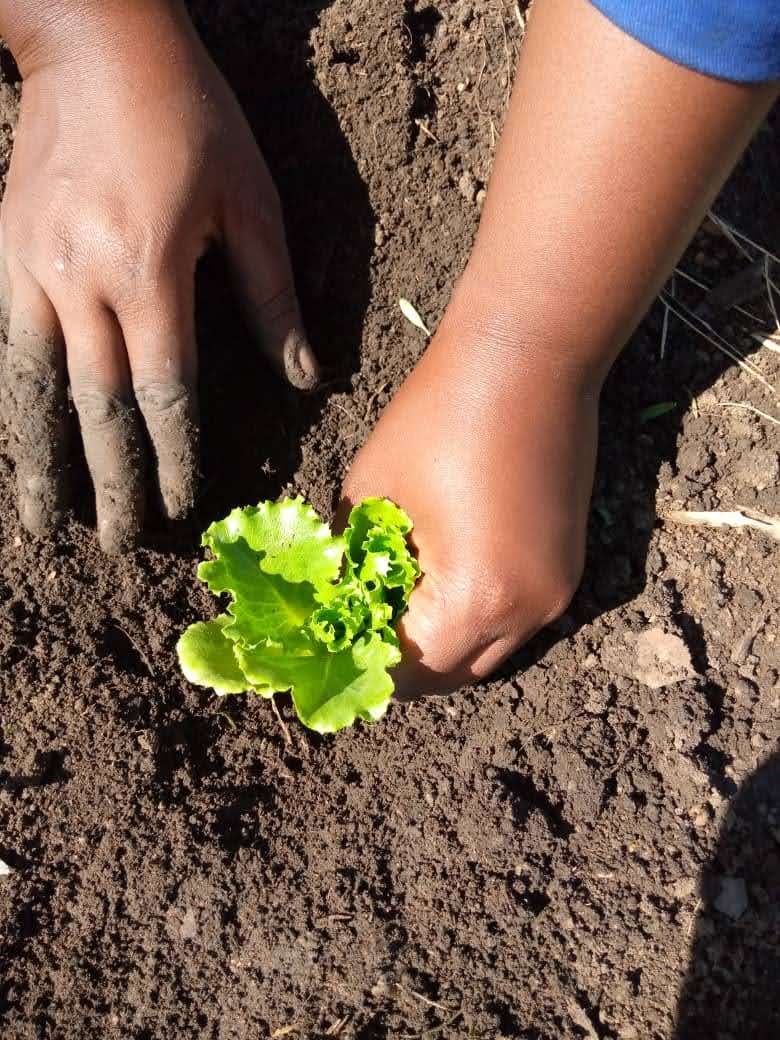
🥬Waikiki Lettuce Seedlings: Premium Crisphead Lettuce Variety for Zimbabwean Farmers
Waikiki Lettuce Seedlings are a premium crisphead (iceberg-type) lettuce variety known for their excellent heat tolerance, compact heads, and superior leaf quality. This variety is especially suited to Zimbabwe’s variable climate and performs exceptionally well in both open-field and protected production systems.
With strong resistance to bolting and diseases, Waikiki Lettuce is ideal for farmers looking to produce high-quality, market-ready lettuce for supermarkets, hotels, and export markets.
🌿 Key Characteristics of Waikiki Lettuce
🥗 Type: Crisphead/Iceberg lettuce
🌱 Growth Habit: Vigorous plants with strong, uniform heads
🍃 Leaf Texture: Thick, crisp, and juicy with light green outer leaves
🕐 Maturity Period: 60–70 days from transplanting to harvest
💧 Climate Adaptability: Excellent tolerance to heat and bolting
💪 Disease Resistance: Resistant to Downy Mildew, Lettuce Mosaic Virus, and Tipburn
🧺 Yield Potential: 25–30 tons per hectare under good management
🏪 Market Preference: Favored for its firm heads and long shelf life
🌍 Ideal Growing Regions in Zimbabwe
Waikiki Lettuce performs well across Zimbabwe’s main agricultural zones, including:
Mashonaland East & West: Consistent results under open-field irrigation.
Manicaland: Excellent performance in cooler highland areas such as Nyanga, Mutasa, and Rusape.
Midlands & Masvingo: Strong yields when irrigated during dry seasons.
Matabeleland: Best grown under tunnels or shade nets.
This variety’s adaptability allows year-round lettuce production for both small-scale and commercial farmers.
🌱 Land Preparation and Planting Guidelines
1. Soil Requirements
Prefers well-drained loamy or sandy loam soils with pH 6.0–7.0.
Avoid waterlogging areas, as lettuce roots are shallow and sensitive.
Incorporate compost or well-rotted manure (10–15 tons/ha) to improve soil structure.
2. Transplanting
Transplant Waikiki Lettuce Seedlings when they are 4–5 weeks old.
Spacing: 30 cm between plants and 40 cm between rows.
Transplant during the cooler parts of the day and water immediately after planting.
3. Fertilization
Basal Fertilizer: 300 kg/ha Compound C at transplanting.
Top Dressing: Apply Ammonium Nitrate (100–150 kg/ha) 2–3 weeks after transplanting.
Calcium Nitrate can be used to improve leaf firmness and reduce tipburn.
💧 Watering and Irrigation
Lettuce requires frequent, light irrigation to maintain moisture and crispness.
Irrigate 2–3 times per week depending on soil type.
Use drip irrigation for uniform moisture and to minimize disease risk.
Avoid overhead watering during late afternoon to prevent fungal growth.
🌿 Pest and Disease Management
Common pests affecting lettuce include:
Aphids, Thrips, Cutworms, and Leaf Miners.
Control using neem-based biopesticides or integrated pest management (IPM) methods.
Diseases to watch for:
Downy Mildew, Tipburn, and Bottom Rot.
Ensure proper crop rotation, spacing, and field hygiene to minimize infection risk.
🧺 Harvesting and Post-Harvest Handling
Harvest when heads are firm and compact, about 60–70 days after transplanting.
Cut at the base with a sharp knife and remove damaged outer leaves.
Avoid rough handling to maintain head integrity.
Wash gently and pack in plastic crates or perforated bags.
Store at 5°C–7°C for up to 2 weeks to retain crispness.
💰 Market Opportunities in Zimbabwe
Waikiki Lettuce enjoys strong demand in both urban and export markets due to its firm texture and extended shelf life.
Top market channels include:
Supermarkets and retail outlets: TM Pick n Pay, Food Lovers Market, OK Zimbabwe.
Hotels and restaurants: Used for salads and burgers.
Export markets: Especially to South Africa and Mozambique.
Farmers supplying consistent, clean, and well-packed lettuce can easily secure long-term supply contracts.
🌾 Tips for Maximizing Profits
Use certified Waikiki Lettuce Seedlings from Carol’s Seedlings.
Maintain consistent moisture and nutrient balance.
Harvest early in the morning to preserve freshness.
Stagger plantings every 3 weeks for continuous supply.
Market directly to supermarkets, wholesalers, and fresh produce vendors.
📈 Expected Yield and Profit Estimates (Per Hectare)
| Item | Estimate |
|---|---|
| Maturity Period | 60–70 Days |
| Average Yield | 25–30 tons |
| Farm-Gate Price | USD $0.50–$0.80/kg |
| Gross Income | USD $12,000–$24,000 |
| Estimated Net Profit | USD $7,000–$15,000 |
(Figures may vary depending on inputs, region, and market conditions.)
🌿 Why Choose Carol’s Seedlings for Waikiki Lettuce
At Carol’s Seedlings, we provide high-quality Waikiki Lettuce Seedlings that are disease-free, uniform, and field-ready.
Our seedlings are grown in controlled nursery conditions to ensure strong root development and vigorous early growth.
🧠 Frequently Asked Questions (FAQ)
Q1: How long does Waikiki Lettuce take to mature?
A: Waikiki Lettuce matures in 60–70 days from transplanting.
Q2: Can Waikiki Lettuce grow in hot areas?
A: Yes — it has excellent heat tolerance and performs well under Zimbabwe’s conditions with proper irrigation.
Q3: How many seedlings are needed per hectare?
A: Approximately 80,000–100,000 seedlings, depending on spacing.
Q4: What makes Waikiki Lettuce different from other varieties?
A: It has compact, crisp heads, strong heat resistance, and superior shelf life.
Q5: Where can I buy Waikiki Lettuce Seedlings in Zimbabwe?
A: From Carol’s Seedlings, available for collection or delivery across Zimbabwe.

